


Attention: The content on this page recently changed.
This page has been updated to reflect the updated stocking standards which took effect on Nov. 4, 2026. We are developing new materials to support the new stocking standards and will post them to the stocking standards page.
Accessory Food Updates
The rule changes the classification of snack bars, jerky, shake powders and mixes, cheese dip, fruit spreads, and butter. These items no longer qualify as staple foods for SNAP retailer authorization, but retailers are allowed to sell them to SNAP households unless prohibited under a state food restriction waiver.
Please note, retailers must also follow any applicable policies regarding food restrictions in effect for each state. More information on food restriction waivers is available on the SNAP Food Restriction Waivers page.
Below is a list of accessory foods with examples. These examples are not exhaustive.
Snack and Dessert Food Items
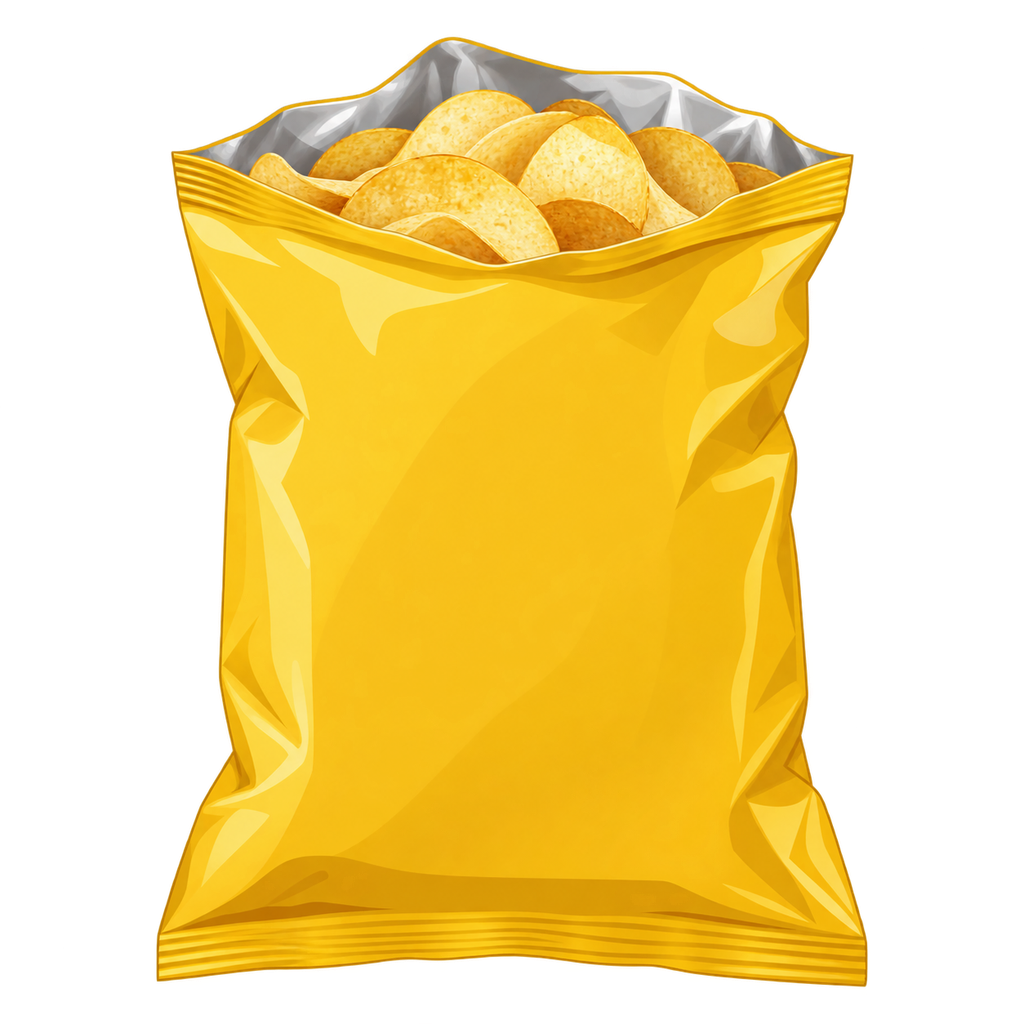
Chips and other finger snacks, such as potato, corn, wheat, tortilla, pita, vegetable, and fruit chips; crisps, sticks, and straws; onion ring snacks; corn nuts; snack and trail mixes (other than those containing only nuts); crackers; pork rinds; pretzels; pre-popped or un-popped popcorn; and cheese puffs or curls.

Baked, gelatin, and pudding desserts, such as doughnuts, brownies, cupcakes, cookies, snack cakes, muffins, pastries, sweet rolls, pies, cakes, churros, scones, pudding, and package mixes to make them.
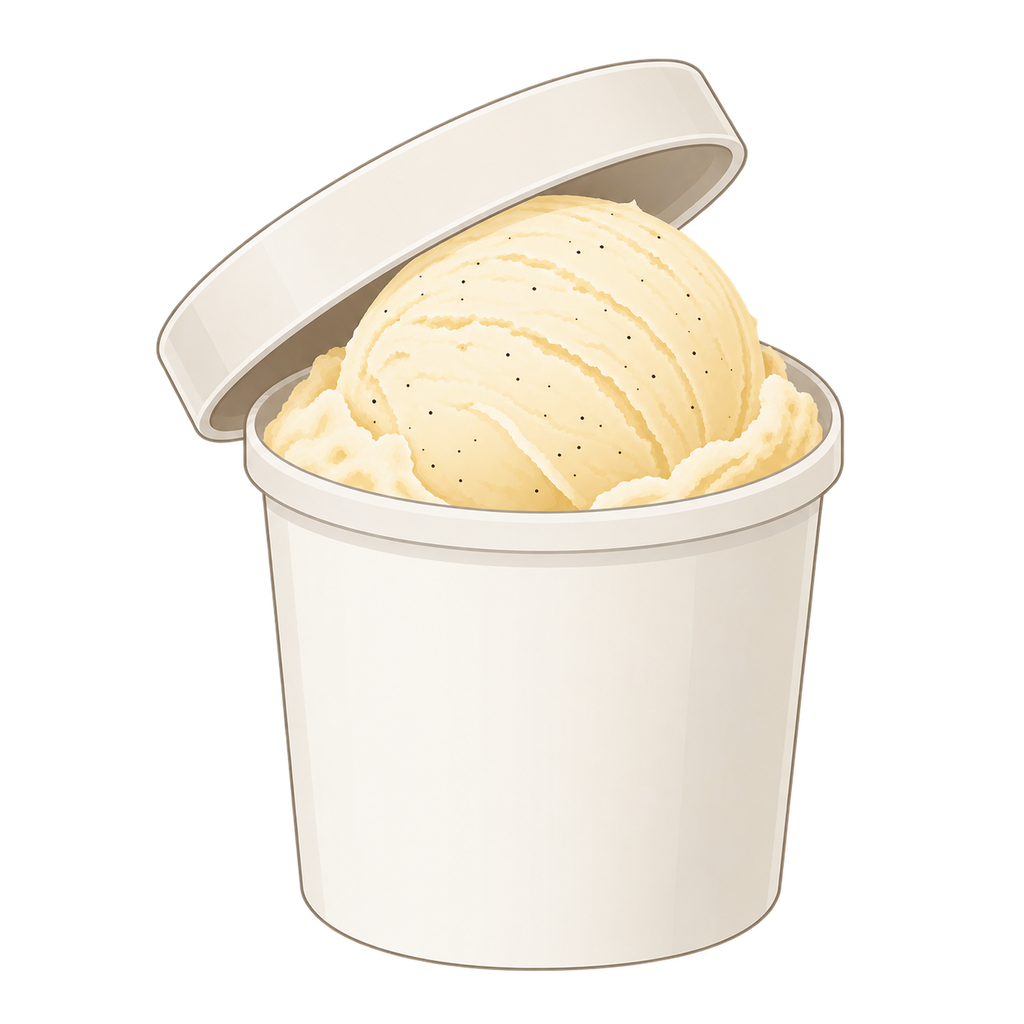
Frozen snacks and desserts, such as ice cream, ice milk, frozen yogurt, custard, whipped cream, sherbet, sorbet, gelato, granita, Italian ices, frozen carbonated beverages, snow cones, and ice pops.
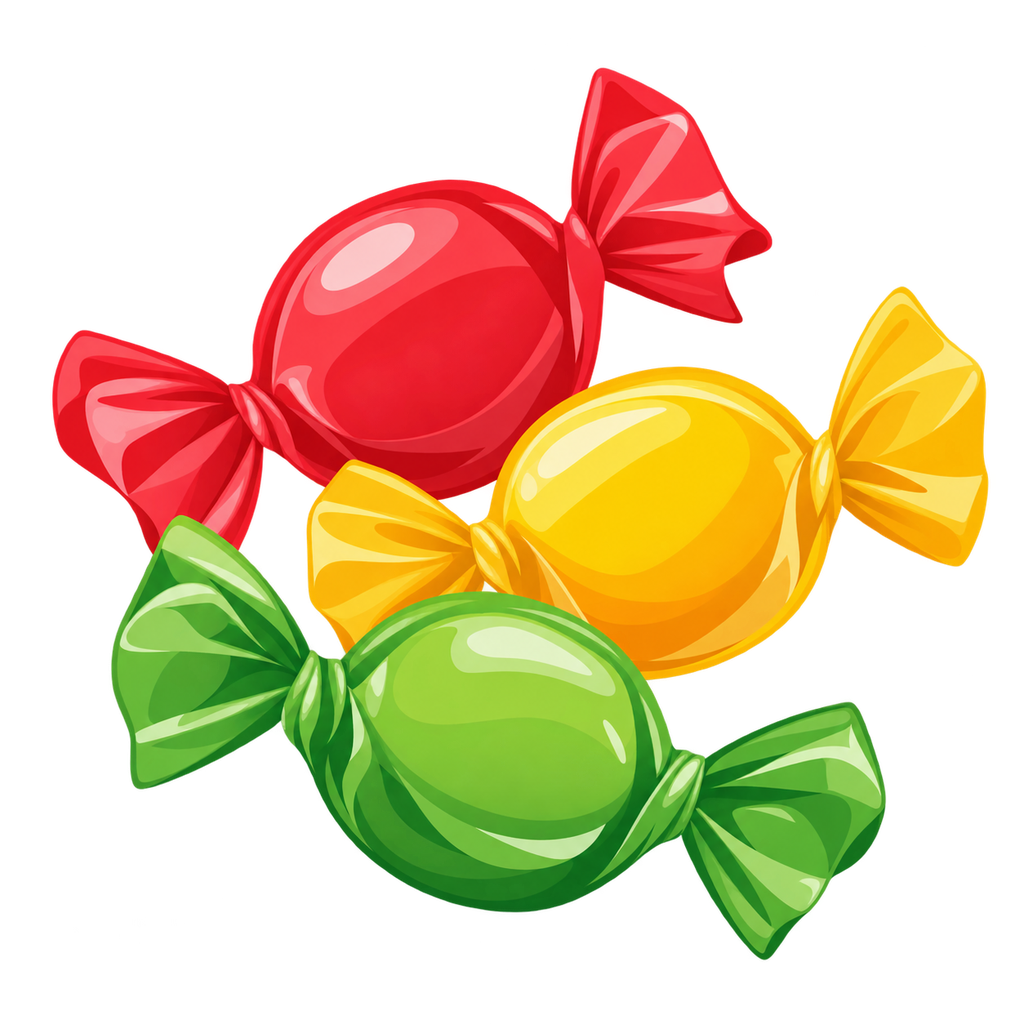
Candy and chocolate, such as mints, chocolate, marshmallow, gum, toffee, brittle, fudge, marzipan, nougat, and candy bars.
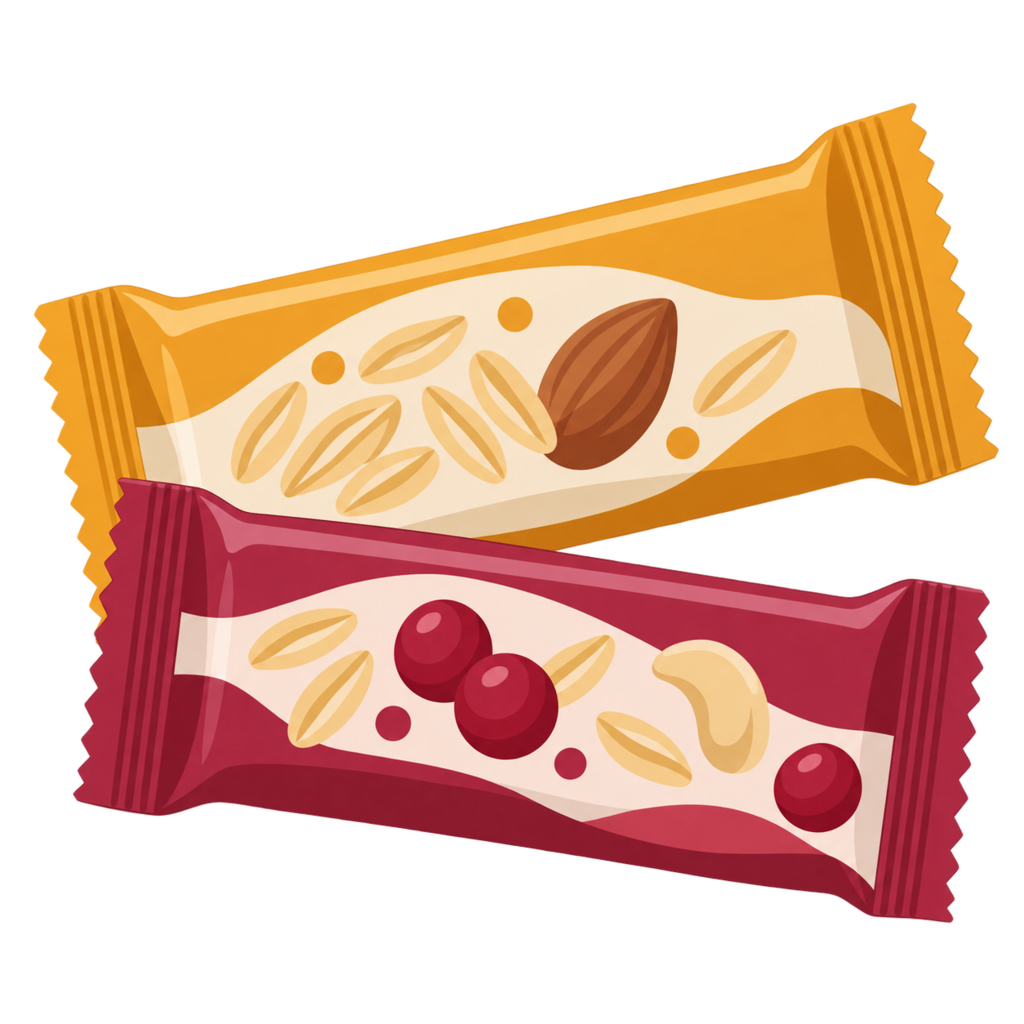
Snack bars, such as protein bars, granola bars, and baked bars.
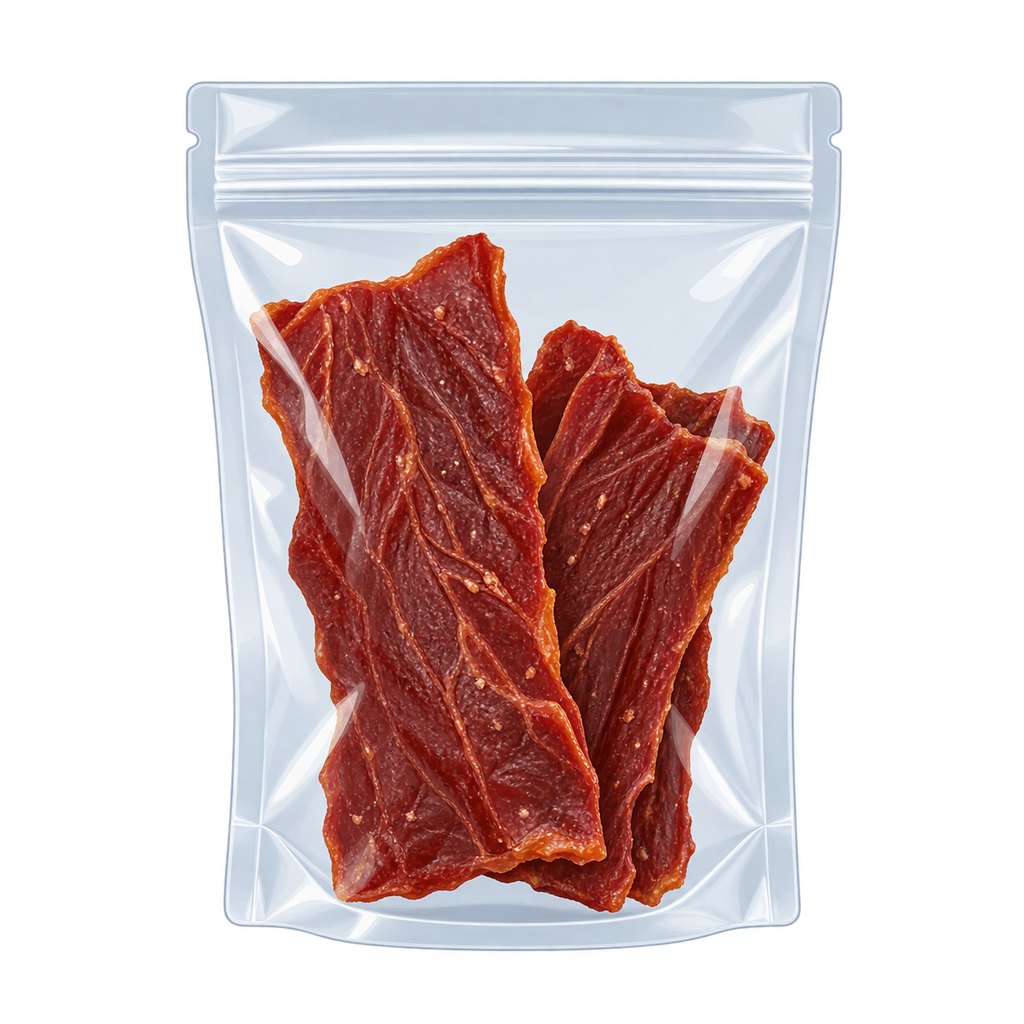
Jerky, such as dehydrated meat sticks and slices made from any type of animal, and plant-based substitutes.
Food Items that Complement or Supplement Meals
Condiments, such as ketchup, mayonnaise, mustard, salad dressing, hot sauce, vinegar, relish, horseradish, chutney, salsa, and soy sauce.
Cheese or fruit dips and spreads, such as cheese sprays, jams, jelly, marmalade, preserves, and compote.
Sweeteners, such as sugar, honey, maple syrup, aspartame, molasses, high fructose corn syrup, and any other natural or artificial sweeteners.
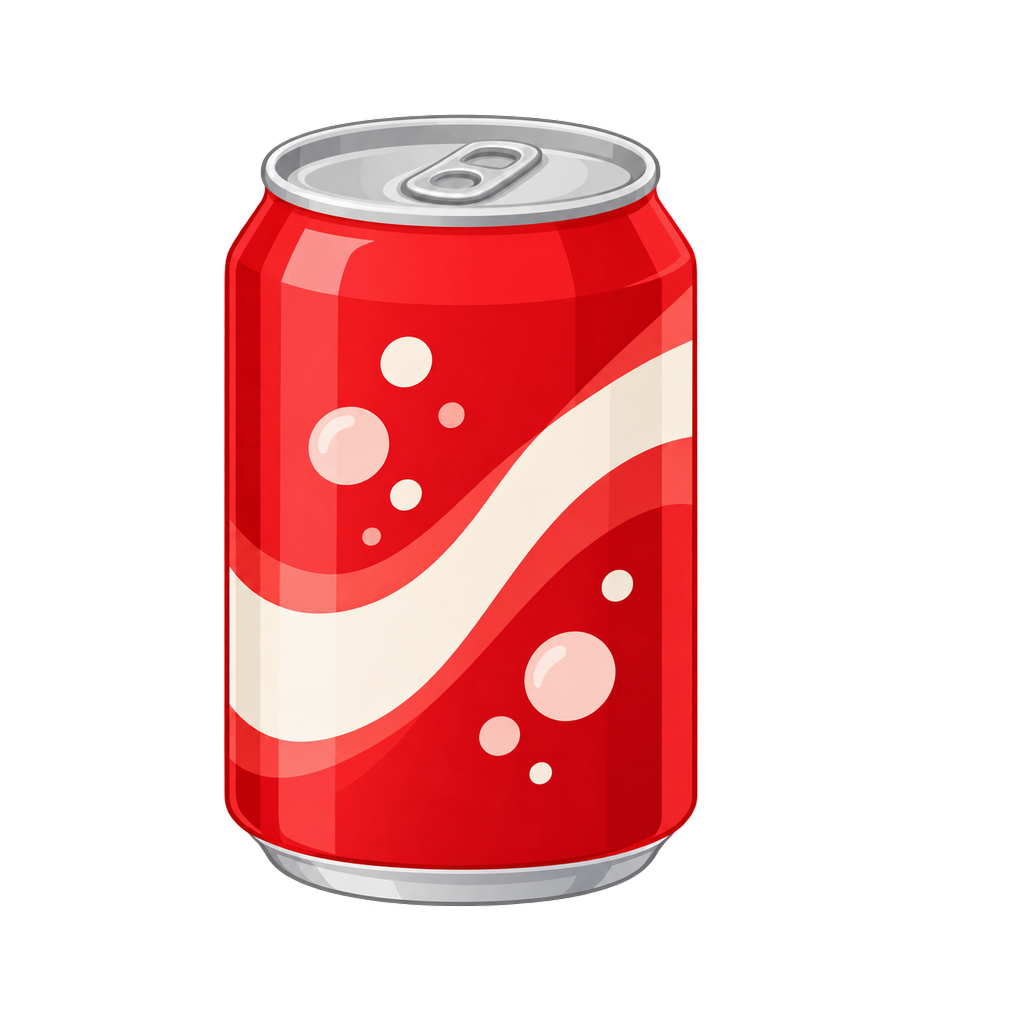
Beverages, such as soda pop, sports or energy drinks, iced tea, tea bags, fruit punch, mixers for alcoholic beverages, shake powders and mixes, and water. The following beverages are staple foods, not accessory foods: milk, cream, 100% fruit or vegetable juice, and plant-based milk and cream alternatives in which the first ingredient is not an accessory food, or the second ingredient is not an accessory food if the first ingredient is water.
Edible Items Used as Part of the Food Preparation Process
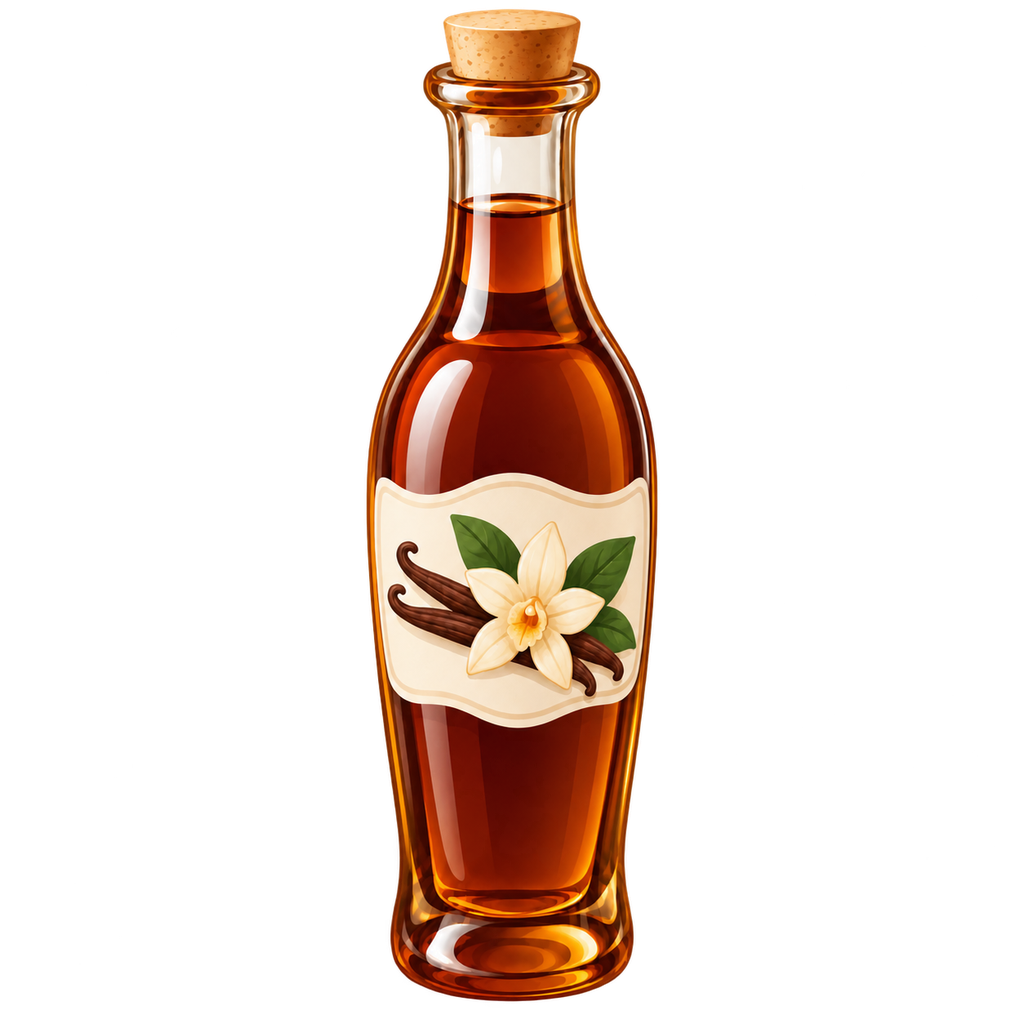
Extracts, such as vanilla extract.
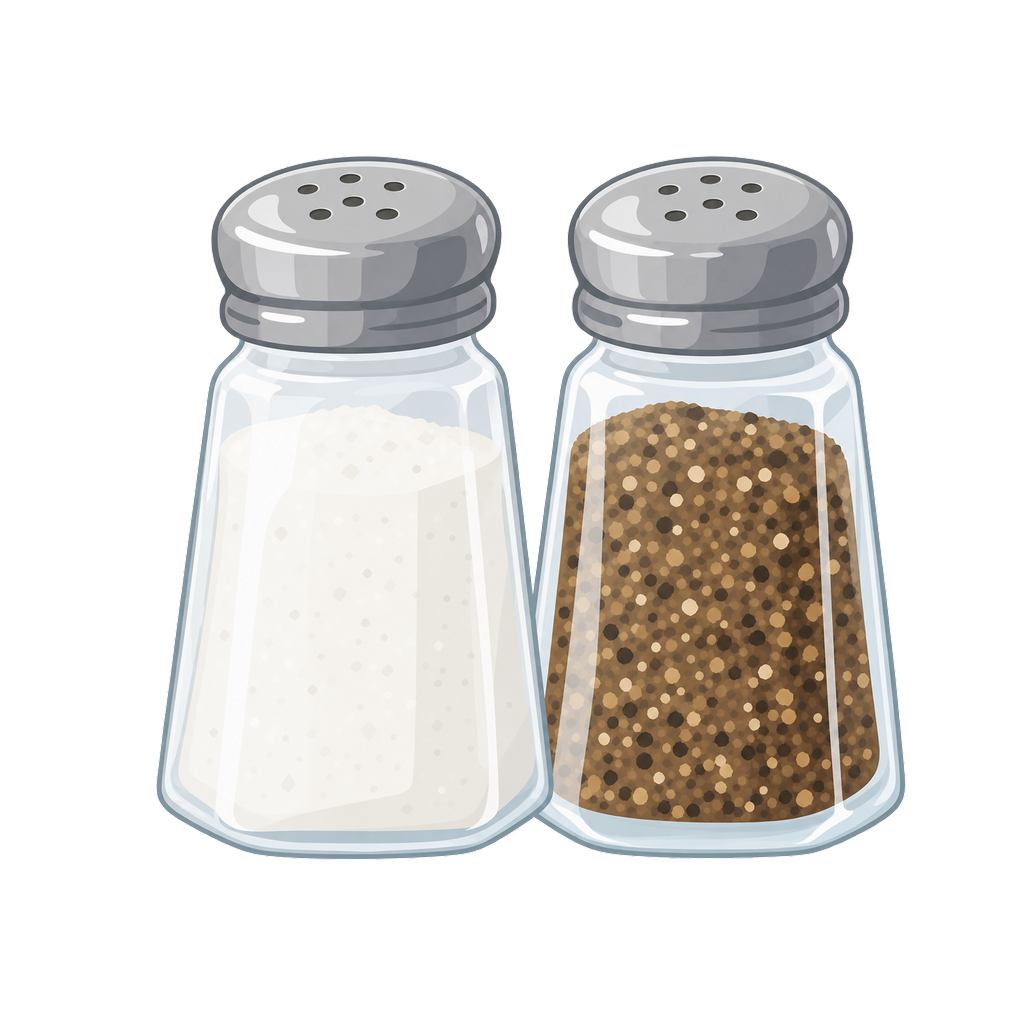
Powdered, dried, and extracted spices or seasonings.
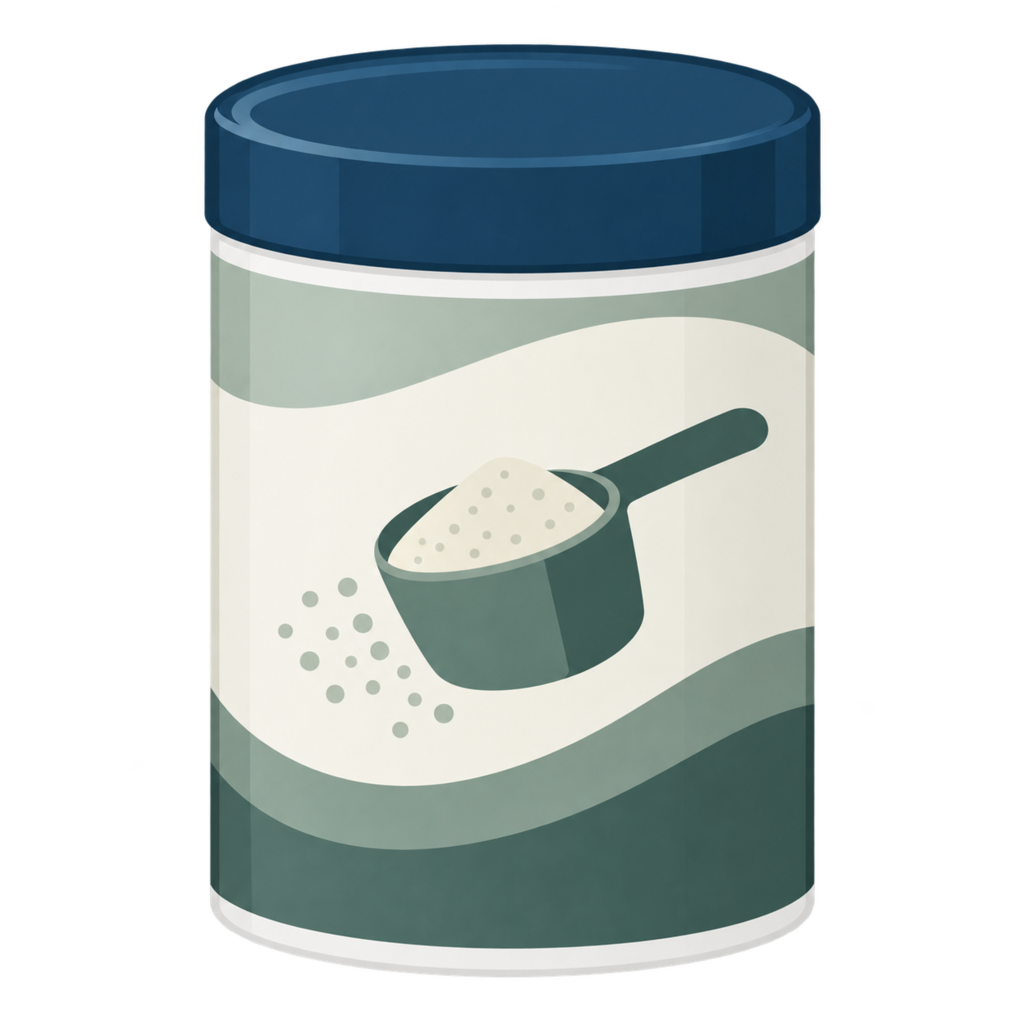
Baking ingredients, such as baking soda, baking powder, yeast, and starch.
Cooking oils and fats, such as vegetable oil, olive oil, butter, shortening, and lard.
Liquids, such as broth, stock, gelatin, and bouillon.
Edible but non-caloric and non-digestible food products, such as monosodium glutamate, sodium nitrate, olestra, and any other food additives.
Foods Made of Accessory Foods
Any food whose main ingredient is listed above is an accessory food. The main ingredient is the first ingredient or first ingredient after water or broth. For example, margarine is an accessory food because the first ingredient is vegetable oil.
There is one exception to this, which is infant formula. Infant formula is always a staple food, not an accessory food, regardless of the main ingredient after water or broth.