


SNAP Stocking Standards Are Now in Effect
See the sample pathways to compliance with the new SNAP stocking standards and interactive calculator for examples of what a SNAP retailer could stock to comply with the final rule.

Updated Stocking Standards Overview
All retailers, except specialty food stores, farmers markets, and direct marketing farmers, are required to keep at least seven varieties in stock on a continuous basis within each staple food category: dairy, grains, protein, and fruits or vegetables. Continuous basis means that on any given day of operation, a store must offer for sale, and display in a public area, sufficient varieties of staple foods required to meet the stocking standards in each staple food category.
A variety is a food that is distinct from another food in the same staple food category. For example, apples and oranges are two varieties in the vegetables or fruits staple foods category.
The rule requires retailers to offer one perishable variety in at least three of the four staple food categories. Perishable foods can be fresh, unrefrigerated, refrigerated, or frozen. Note: If an item does not require refrigeration until after it is opened, it is not a perishable food. SNAP retailers have the flexibility to choose which three staple food categories to stock with a perishable variety.
Each variety must have a minimum of three stocking units for a minimum of 84 stocking units over the four staple food categories. A stocking unit is the format a product is usually sold in. This could be a bag, box, bunch, can, or package. For example, a bag of apples sold by the bag is one stocking unit. A single apple can also be one stocking unit if sold individually.
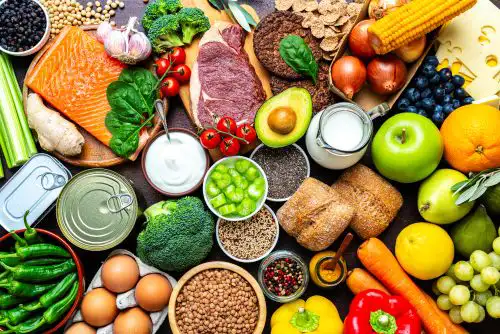
Distinct Staple Food Varieties by Staple Food Category
Learn about the universe of distinct varieties within each staple food category: dairy, grains, protein, and vegetables or fruits.
SNAP Retailer Stocking Standards FAQ
- What happens if my store can’t meet the new requirements?
If your store does not meet the new requirements, it will be withdrawn from participating in SNAP, and you will no longer be able to accept SNAP benefits.
- Will farmers markets and producers selling staple foods be impacted by the new stocking standards?
In general, farmers markets and direct marketing farmers do not need to meet the stocking standards under Criterion A. Instead, a farmers market or direct marketing farmer can qualify under Criterion B if 50% or more of its total sales are in staple foods. If a market or direct marketing farmer is currently authorized under Criterion A but does not meet the updated stocking standards at reauthorization, we will automatically evaluate its eligibility under Criterion B.
Please note that under the new rule, butter, trail mix, jerky, cheese and fruit dips and spreads, and snack bars no longer count as staple foods for retailer authorization purposes.
- If I get withdrawn because I don’t meet the new requirements, when can I apply again?
You can reapply six months after the date your store was withdrawn as a SNAP-authorized retailer.
- If my application to accept SNAP benefits at my store is denied because I don’t meet the new requirements, when can my store apply again?
You can reapply six months after the date your store is denied acceptance as a SNAP-authorized retailer.
- What are some ways the rule increases the varieties of foods that can fulfill the dairy staple food category?
The new rule increases varieties in the dairy staple food category by separating shelf-stable milk and refrigerated milk into two distinct varieties as well as flavored milk and plain milk. It also adds cream as its own variety and distinguishes shredded, grated, or crumbled cheese as a separate variety from all other cheeses.
For example, a retailer could meet the new stocking standards in dairy by offering the following options: whole milk, buttermilk, yogurt, sour cream, cottage cheese, shredded sharp cheddar cheese, and soy milk. Under this rule, infant formula also counts as a variety in the dairy staple food category.
See the sample pathways to compliance with the new SNAP stocking standards and interactive calculator for examples of what a SNAP retailer could stock to comply with the final rule.
- What are some ways the rule increases the varieties of foods that can fulfill the grains staple food category?
The new rule makes whole-wheat bread and non-whole wheat bread distinct varieties as well as whole-wheat pasta and non-whole wheat pasta. Flours and grains are also separate varieties in each category by grain type. For example, wheat flour and bulgur wheat are now separate varieties.
For example, a retailer could meet the new stocking standards in grains by offering the following options: sourdough bread, whole wheat bagels, whole grain spaghetti, quick-cook oats, brown rice, pearled barley, and white flour. Under this rule, infant cereal also counts as a variety in the grains staple food category.
See the sample pathways to compliance with the new SNAP stocking standards and interactive calculator for examples of what a SNAP retailer could stock to comply with the final rule.
- What are some ways the rule increases the varieties of foods that can fulfill the protein staple food category?
The new rule increases varieties in the protein staple food category by separating meat from different kinds of animals into distinct varieties and distinguishing plain meat, seasoned meat, and shelf-stable meat as separate varieties. It also incorporates plant-based protein varieties like nuts and beans.
For example, a retailer could meet the new stocking standards in protein by offering the following options: chicken breast, ground beef, frozen salmon filets, canned tuna, eggs, peanut butter, and lentils.
See the sample pathways to compliance with the new SNAP stocking standards and interactive calculator for examples of what a SNAP retailer could stock to comply with the final rule.
- What changes does this rule make to accessory foods?
The new rule changes the classification of butter, jerky, cheese dip, snack bars, and fruit spreads. These items no longer qualify as staple foods for retailer authorization, but they are still eligible for purchase with SNAP benefits.
Some states restrict what foods and beverages customers can use SNAP benefits to buy. For more information, please visit the SNAP Accessory Food page.
- Are ready-to-eat or prepared foods excluded from stocking compliance?
All hot and heated foods are ineligible for SNAP purchase and, therefore, do not count towards the staple food stocking standards. In accordance with the definition of staple food at 7 CFR 271.2, ready-to-eat cold foods that are made by the retailer on the premises and require no additional preparation for immediate consumption are also excluded from a retailer’s staple food count even though cold prepared foods are eligible for SNAP purchase.
- Does the new rule change what customers can purchase with SNAP benefits?
No. The rule only changes what stores need to stock to be a SNAP-authorized retailer. It does not change what is eligible for purchase with SNAP benefits.
Please note that some states do restrict what food customers can use SNAP benefits to buy. For more information about those food restrictions, please visit the SNAP Food Restriction Waiver page.
- Where can I get more information?
As we receive questions from the retailer community about meeting the updated stocking standards requirements we will update the frequently asked questions page. Additional questions can be sent to RPMDHQ-Web@usda.gov.