Attention: The content on this page recently changed.
This page has been updated to reflect the updated stocking standards which took effect on Nov. 4, 2026. We are developing new materials to support the new stocking standards and will post them to the stocking standards page.
What are SNAP Staple Foods?
All retailers other than specialty food stores must stock on a continuous basis at least seven varieties in each staple food category: dairy, grains, protein, and vegetables or fruits.
Below are the distinct varieties within each staple food category: dairy, grains, protein, and vegetables or fruits.
Main ingredient means the first ingredient on the food label's ingredient list — or the second ingredient, if the first is water or broth.
Dairy
There are 14 possible varieties in the dairy staple food category, counting both mammal and plant-based varieties.
Mammal-based Dairy
There are 11 possible mammal-based varieties in the dairy staple food category.
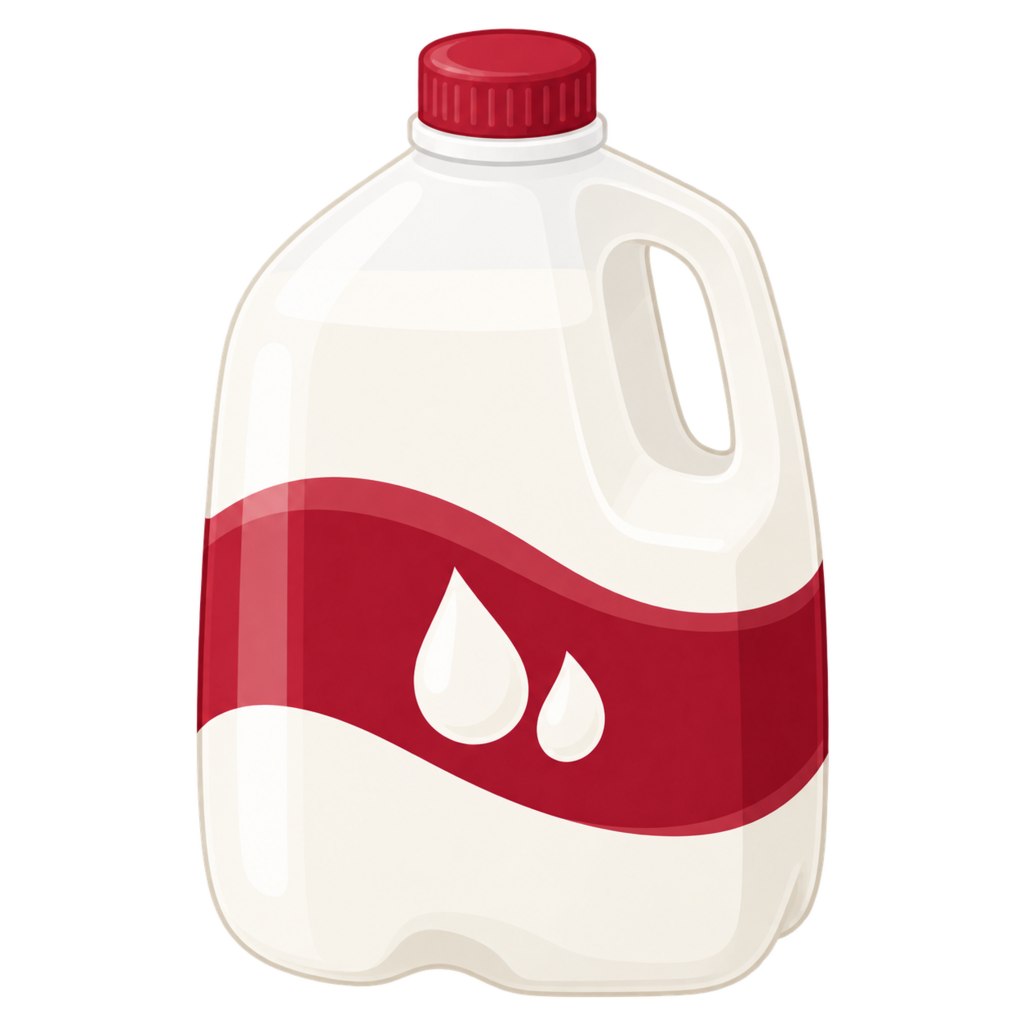
Plain perishable liquid milk.
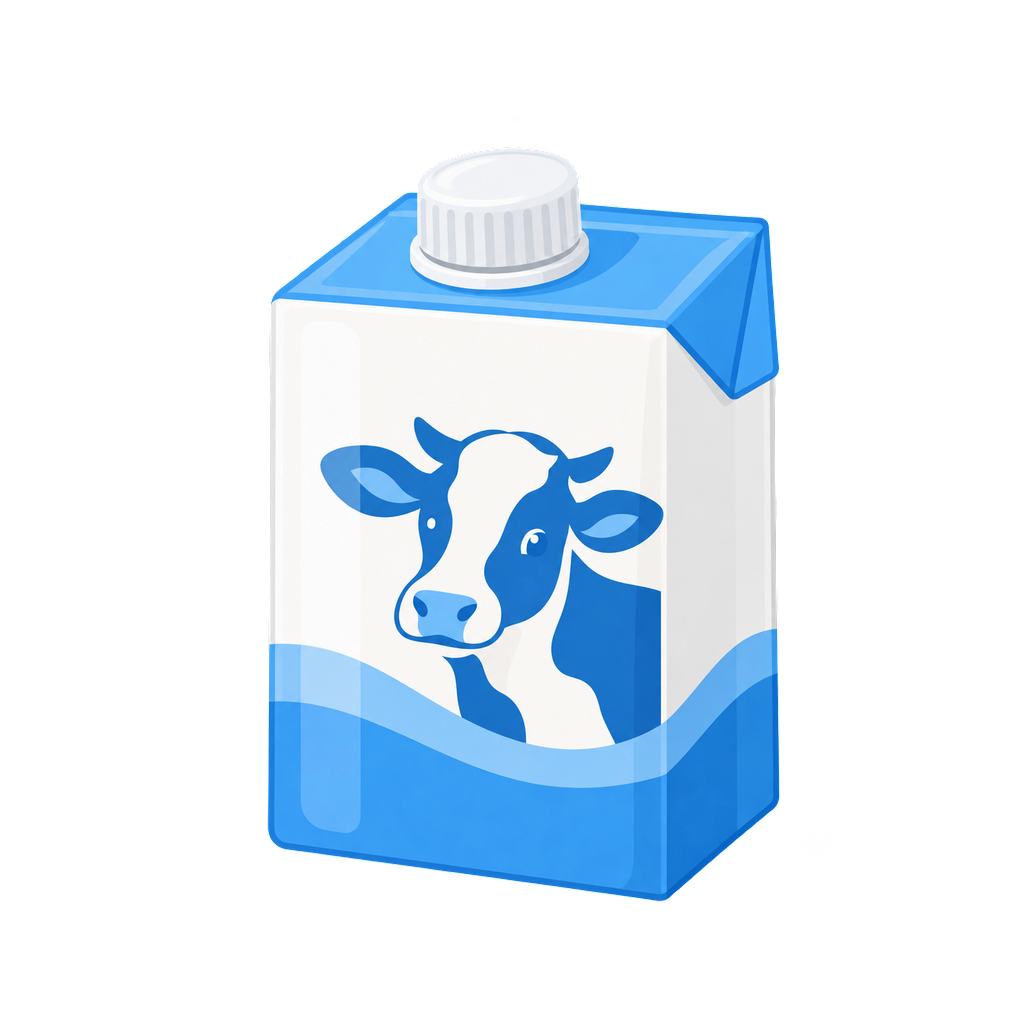
Shelf-stable milk. Examples include ultra-high-temperature (UHT) milk, evaporated milk, and sweetened condensed milk.

Dried or powdered milk.

Cream. Examples include heavy cream, half and half, and alfredo sauce in which the main ingredient is cream.

Sour cream.

Yogurt (non-liquid).

Fermented or cultured dairy beverages. Examples include drinkable yogurt, buttermilk, or kefir.
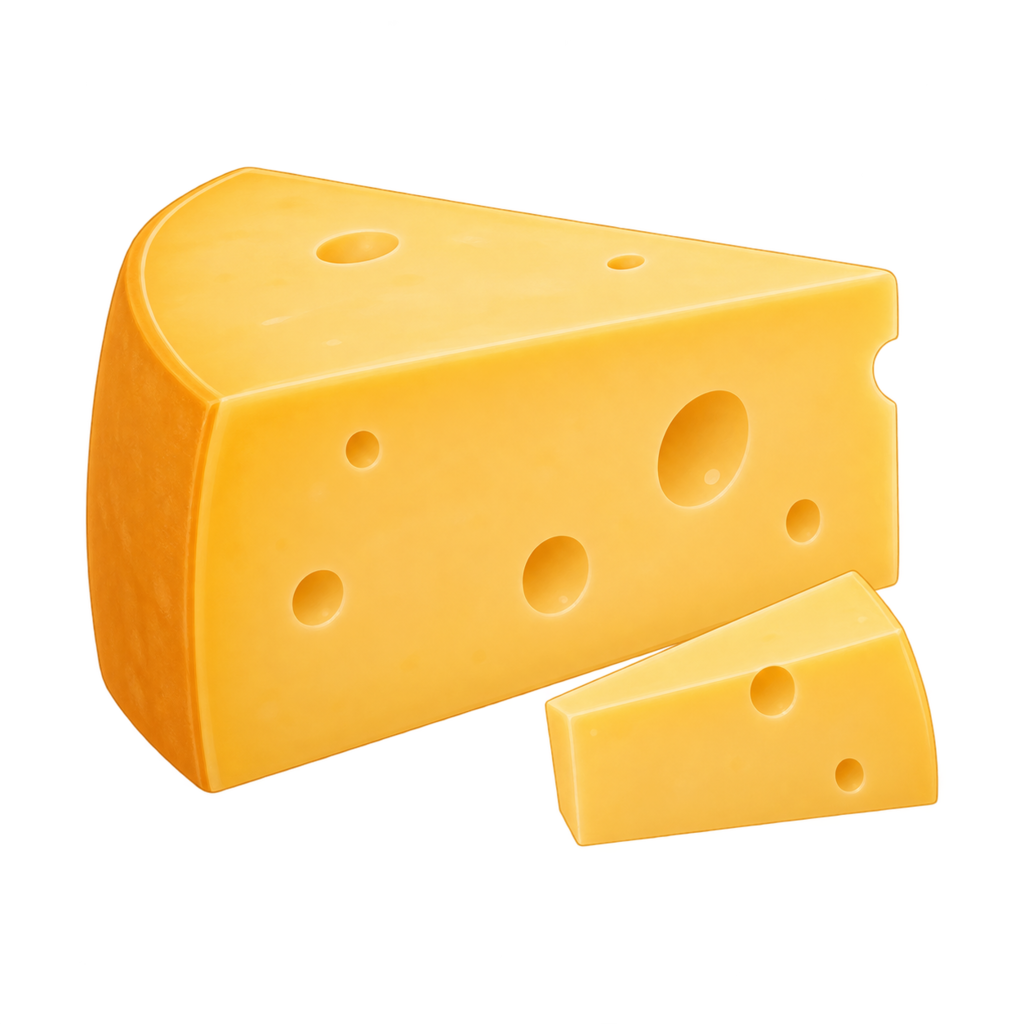
Cheese (non-shredded). Examples include block cheese, cheese sticks, or cottage cheese.
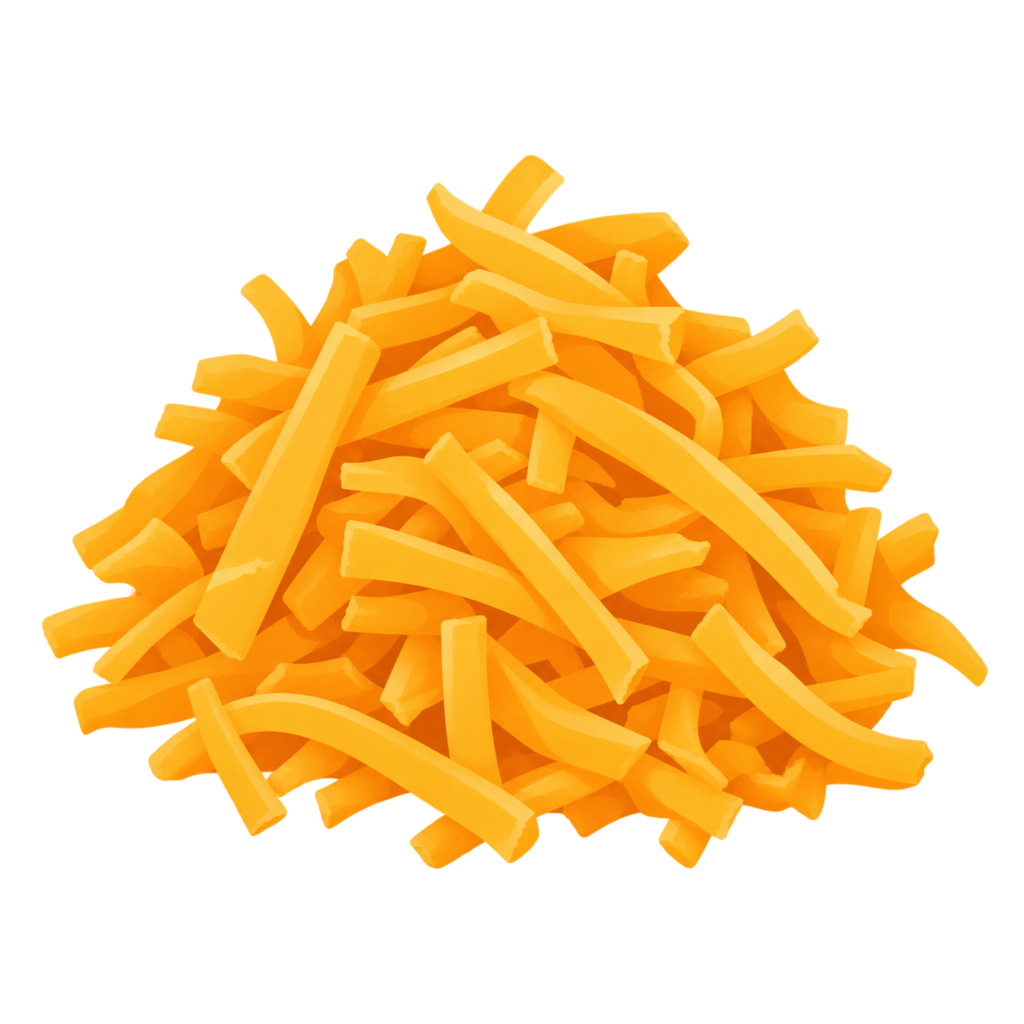
Shredded cheese. Examples include grated, shaved, and crumbled cheese.

Infant formula.

Multi-ingredient perishable milk products. Any product not listed above in which the main ingredient is milk. Examples include chocolate milk and flavored coffee creamer in which the main ingredient is milk.
Plant-based Dairy Alternatives (up to three)
In addition to the traditional dairy varieties, retailers may also count plant-based dairy alternatives for up to three of the mammal-based varieties listed above.
Example 1
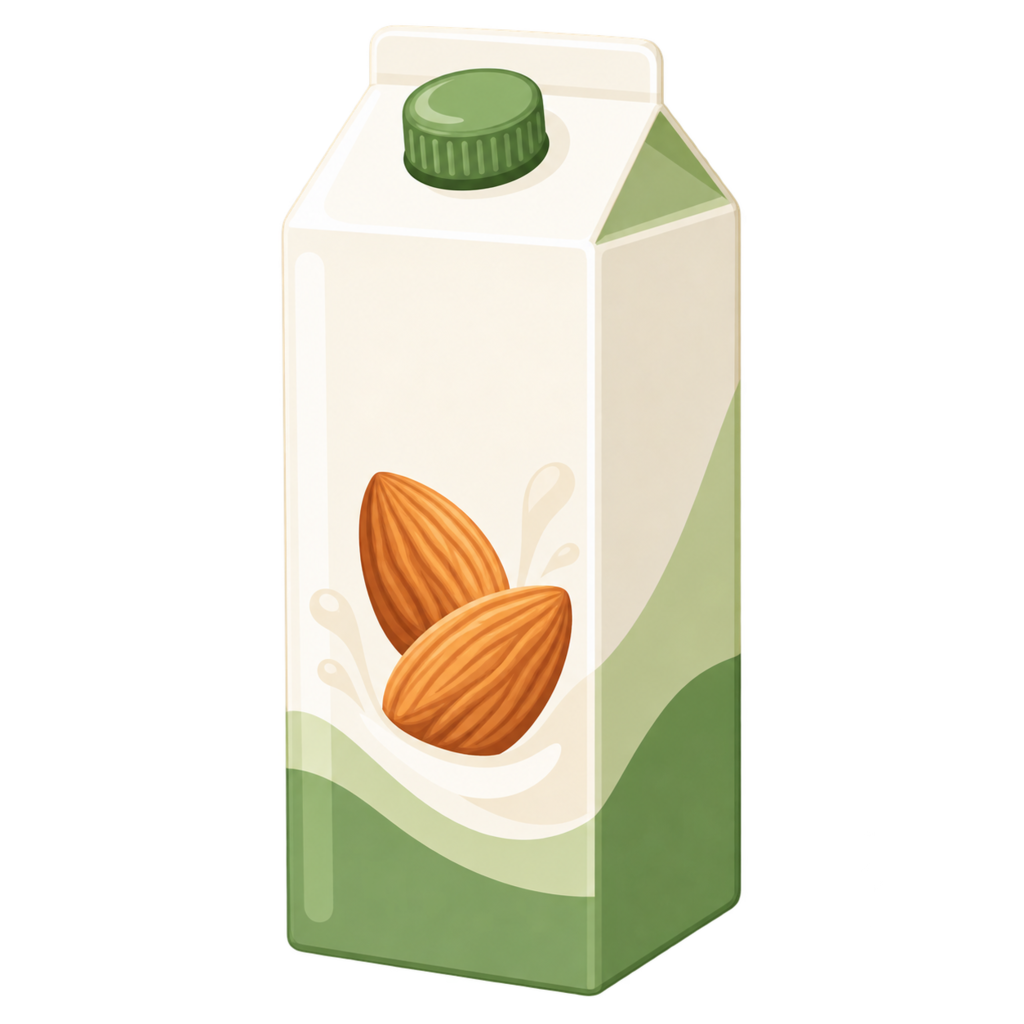
Plant-based milk. For example, almond, soy, or oat milk that requires refrigeration.

Plant-based cheese. For example, cashew-based cheese.

Plant-based yogurt alternative. For example, coconut or soy yogurt.
Example 2
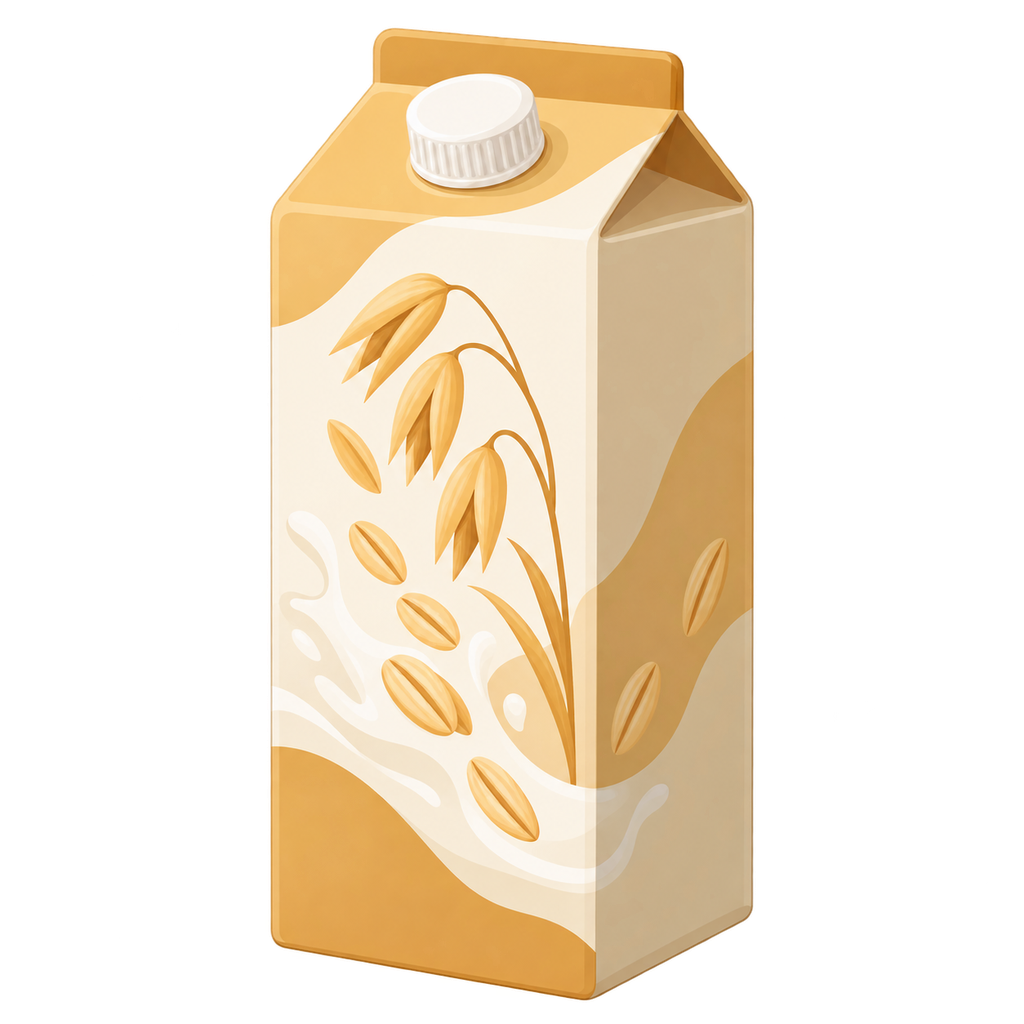
Perishable unsweetened and unflavored oat milk.
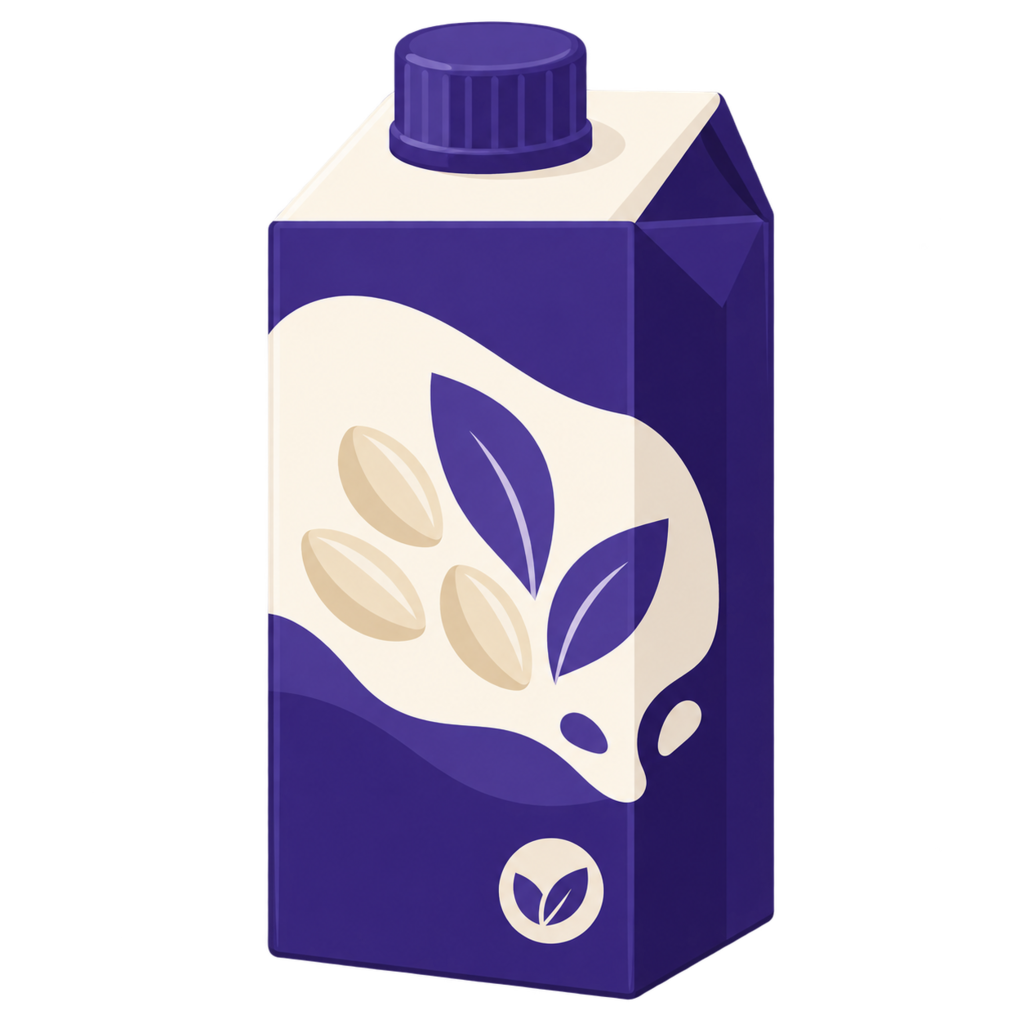
Shelf-stable plant-based milk. For example, shelf-stable soy or oat milk.

Plant-based infant formula. For example, powdered or liquid infant formula made from any plant.
Grains
There are more than nine possible varieties in the grain category. For many of the grain varieties, there are additional possible varieties for each type of grain.

Whole grain bread. Examples include whole wheat sandwich bread, bagels, and pita bread. Different forms of bread no longer count as distinct varieties.
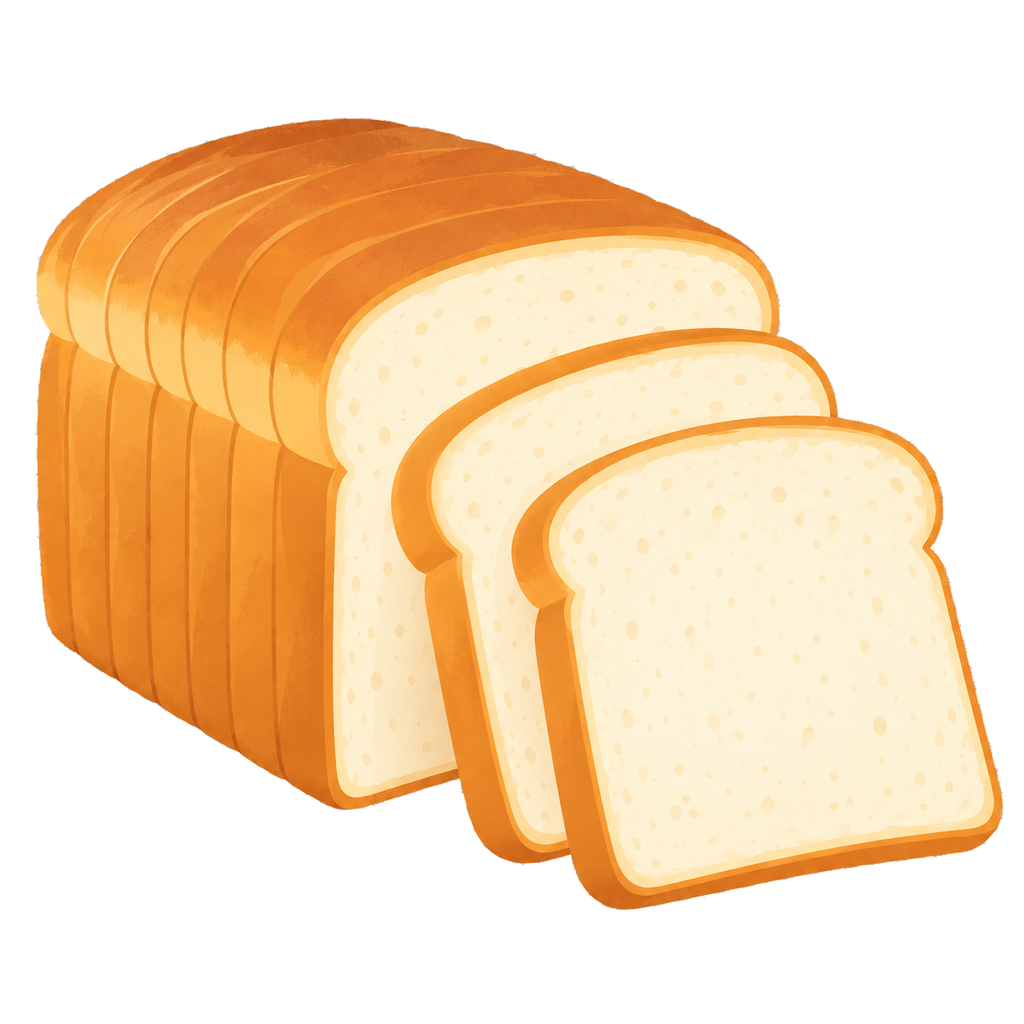
Non-whole grain bread. Examples include white sandwich bread, flour tortillas, and enriched hamburger buns.
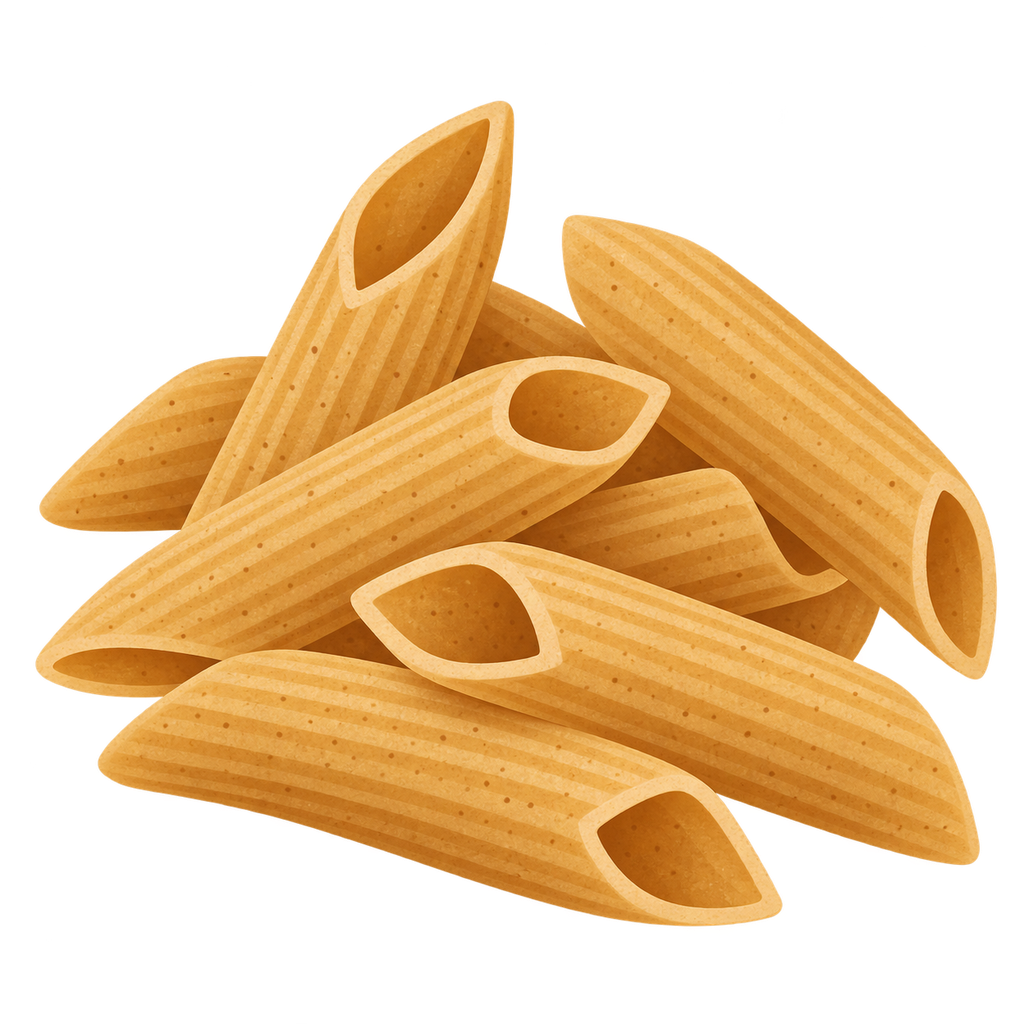
Whole grain pasta and noodles. Examples include whole wheat spaghetti, whole grain penne, or whole grain rotini.
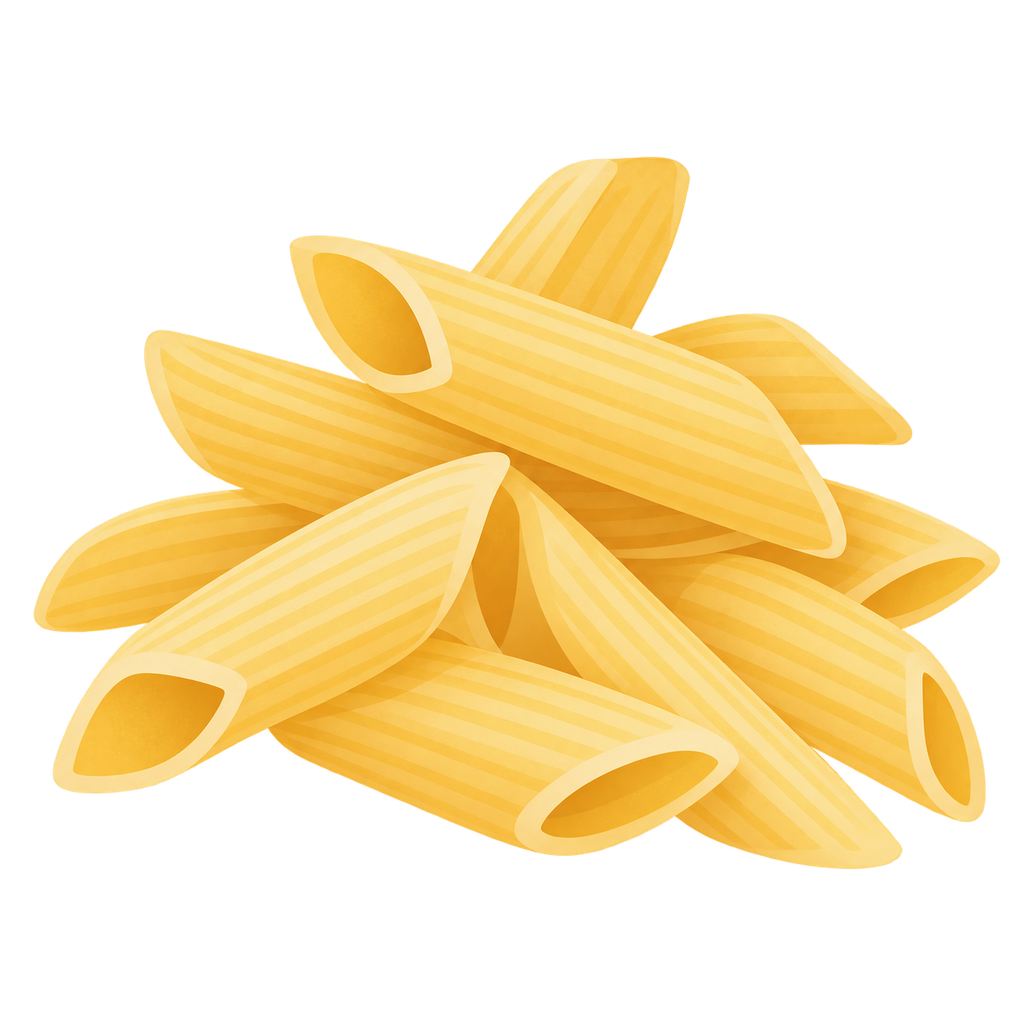
Non-whole grain pasta and noodles. Examples include spaghetti, enriched macaroni, egg noodles, and ramen noodles.
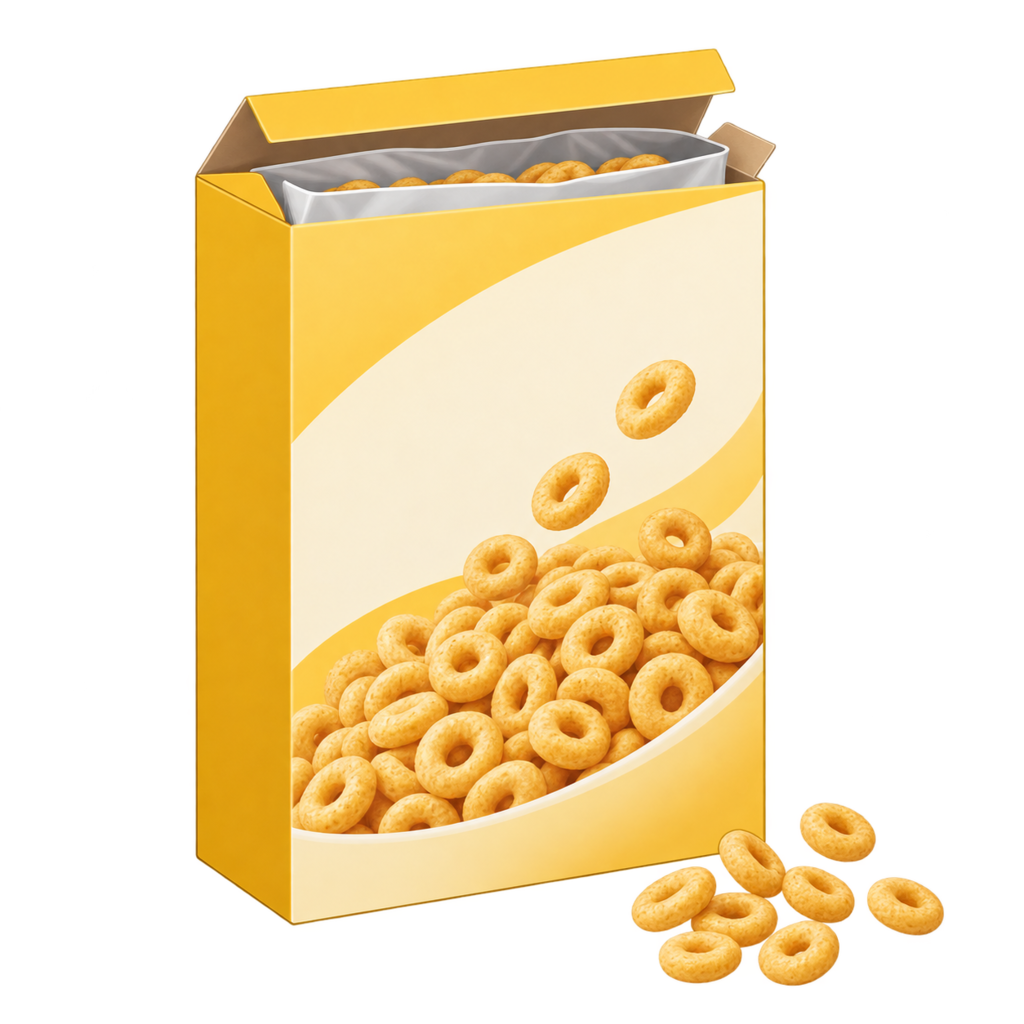
Breakfast cereals. Examples include cornflakes, oat O's, and puffed rice.

Infant cereal.
Raw Grains for Each Type of Grain
Examples include:
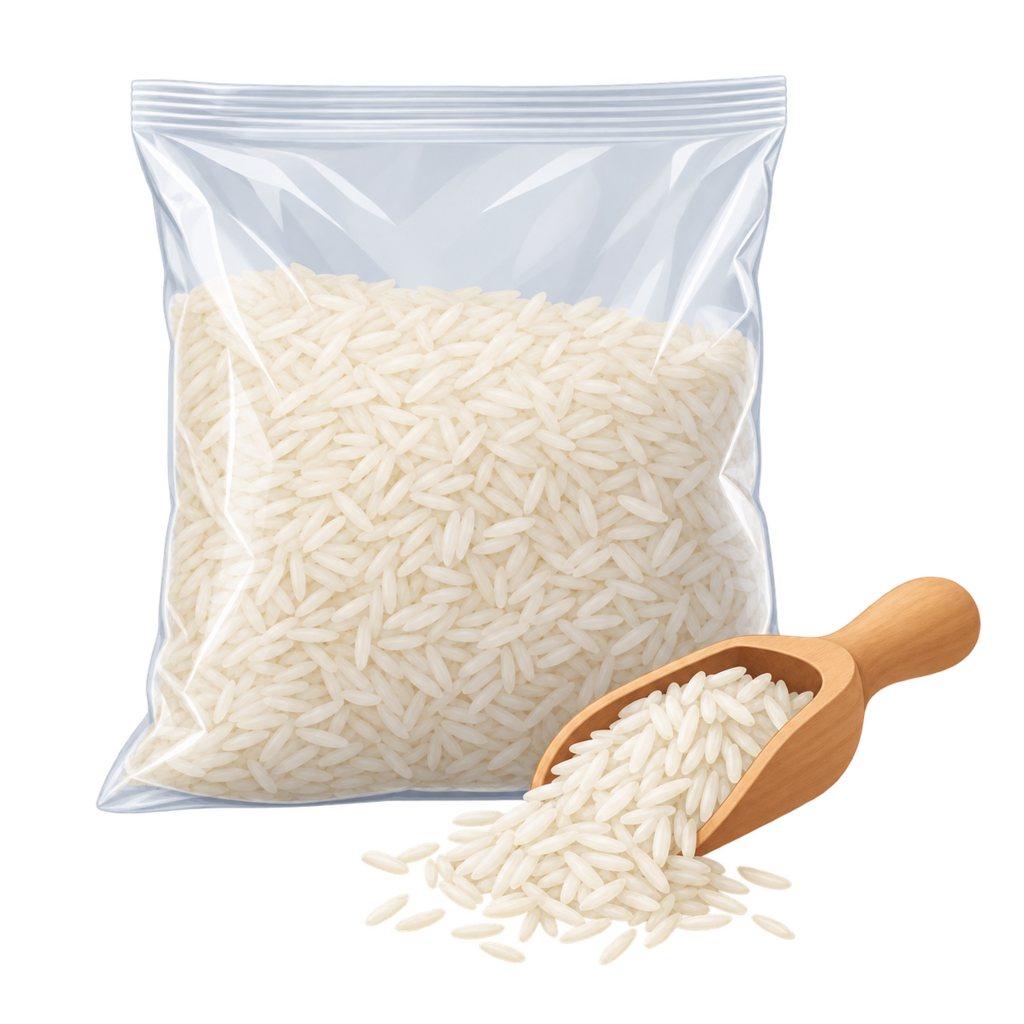
Rice: Brown and jasmine rice.
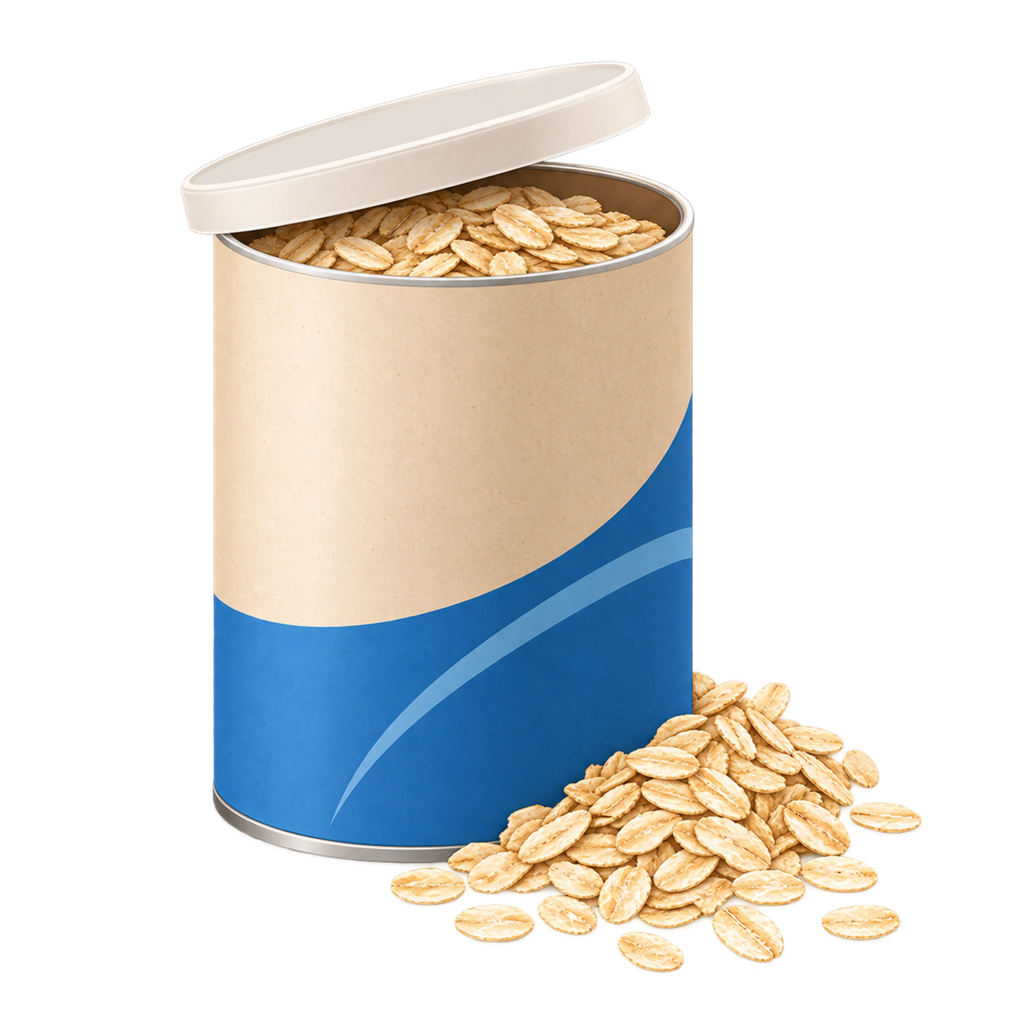
Oats: Rolled oats and plain quick-cook oats.
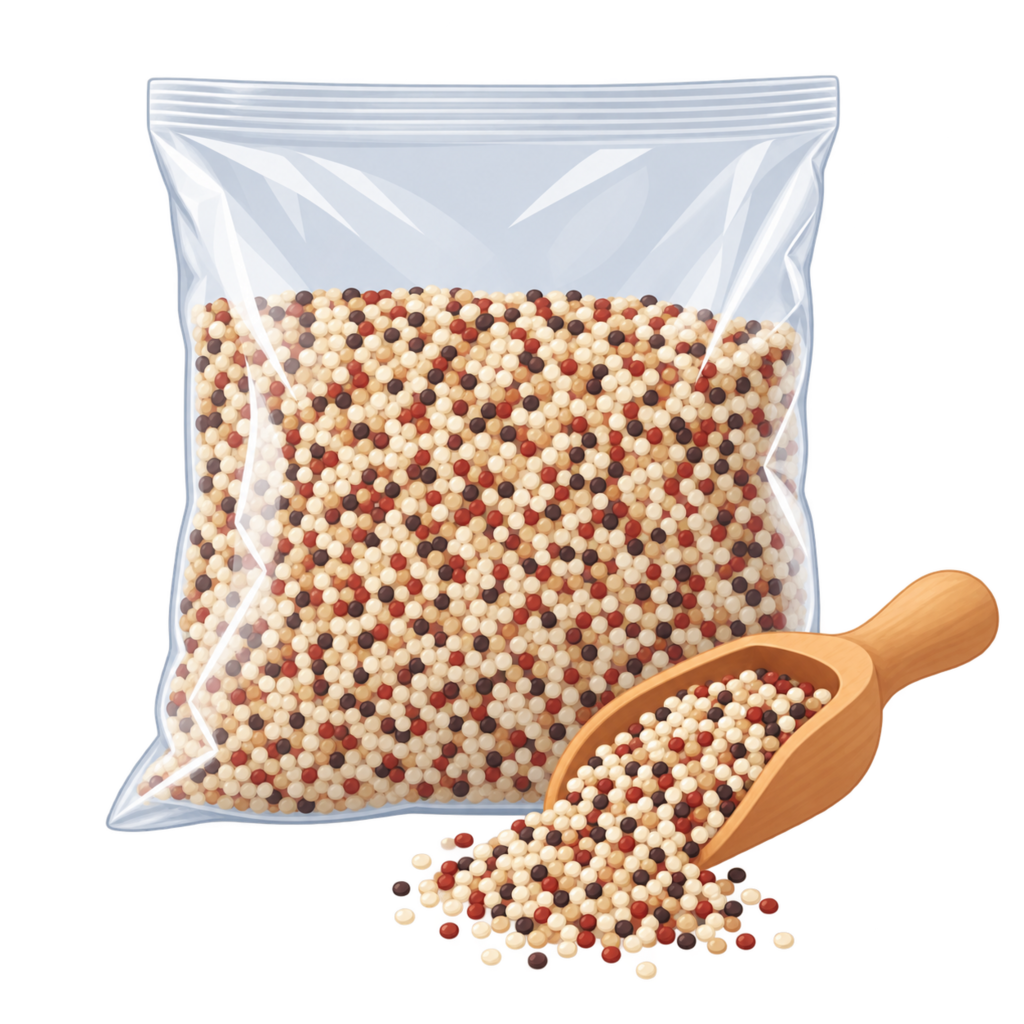
Quinoa.
Flour for Each Type of Grain
Examples include:
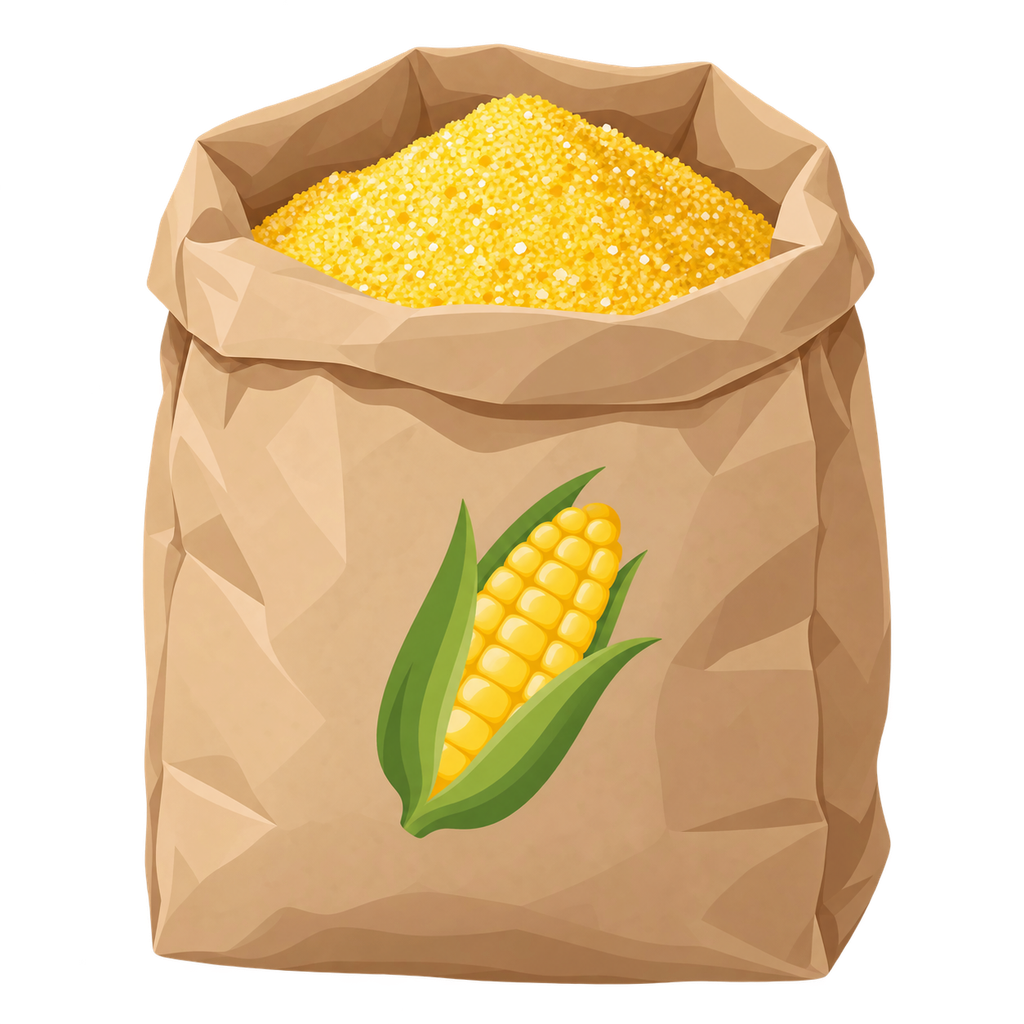
Corn flour: Corn meal and masa.

Wheat flour: All-purpose flour, whole-wheat flour, and bread flour.
Multi-ingredient Flour for Each Type of Grain
Examples include:
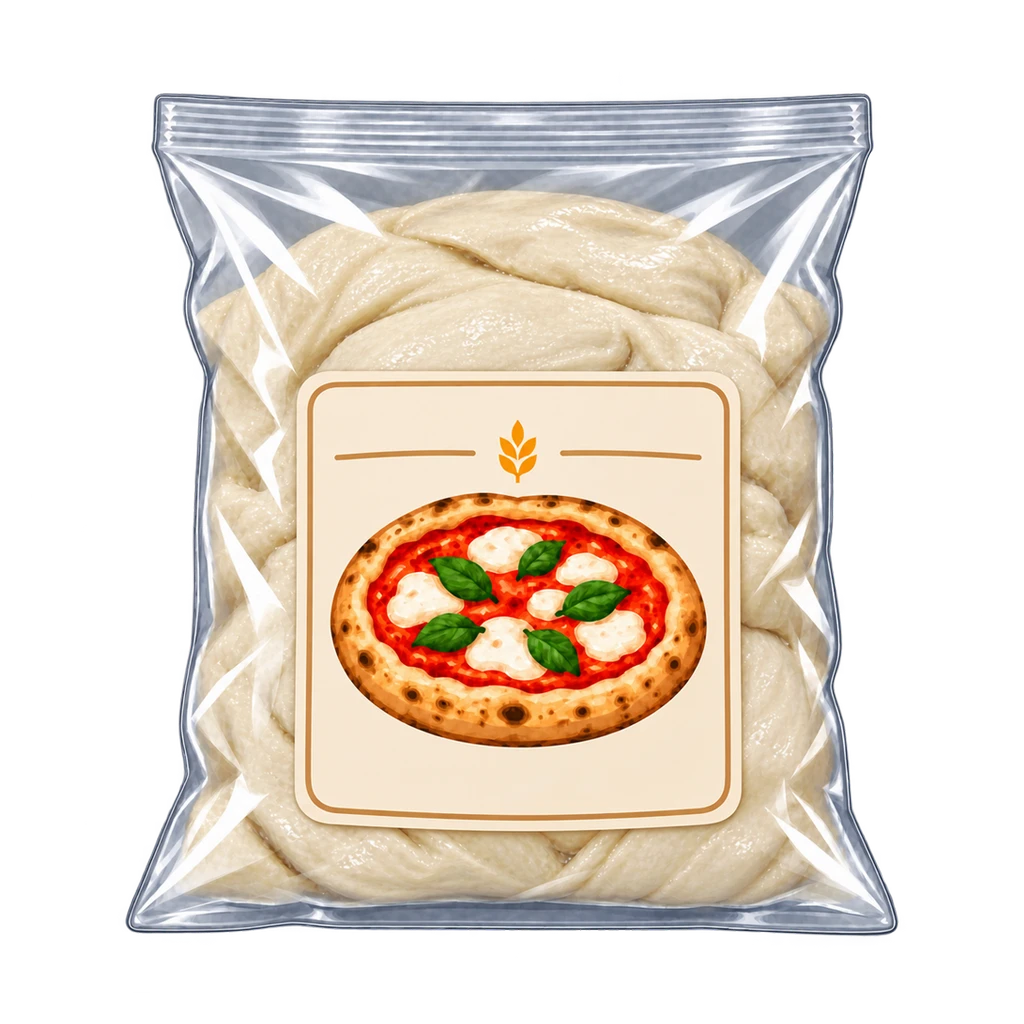
Wheat: Pancake mix and pizza dough.
Multi-ingredient Grain for Each Type of Grain
Examples include:
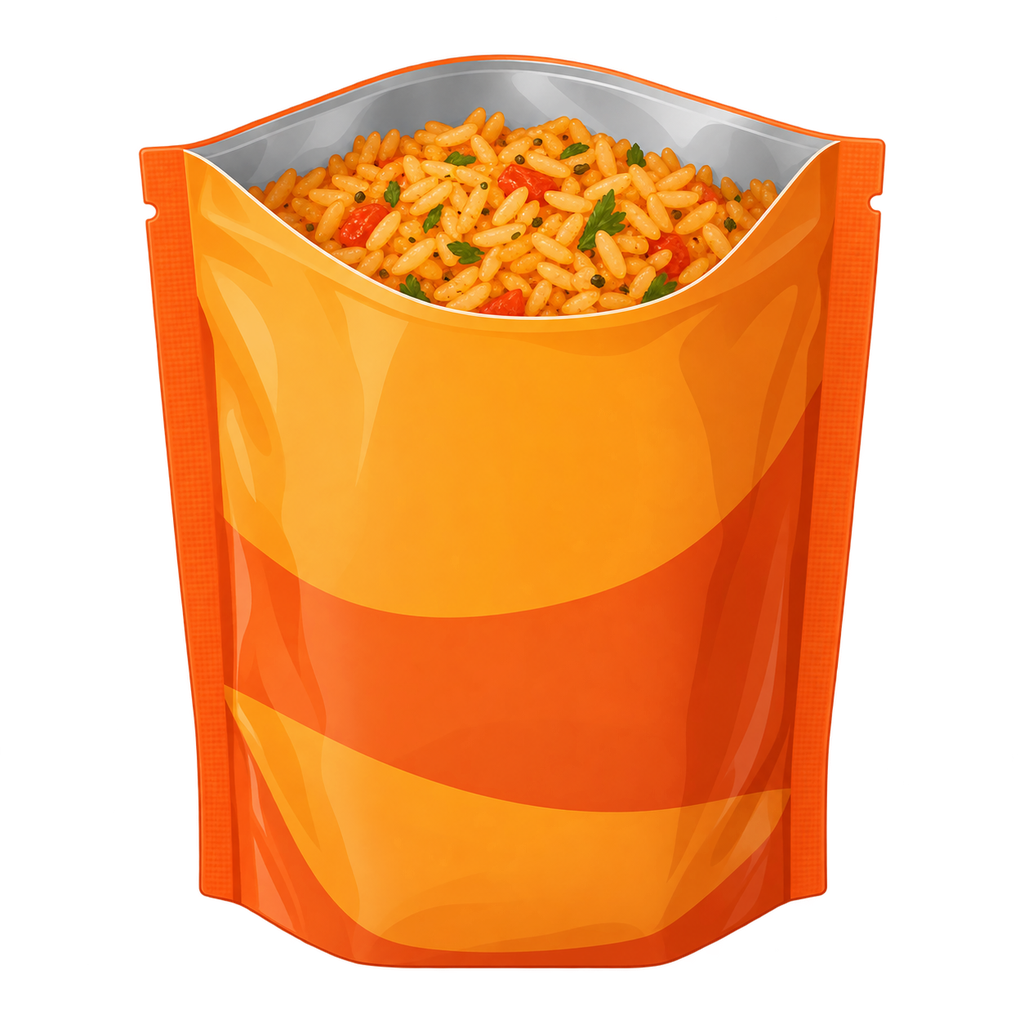
Rice: Microwaveable flavored rice packages.
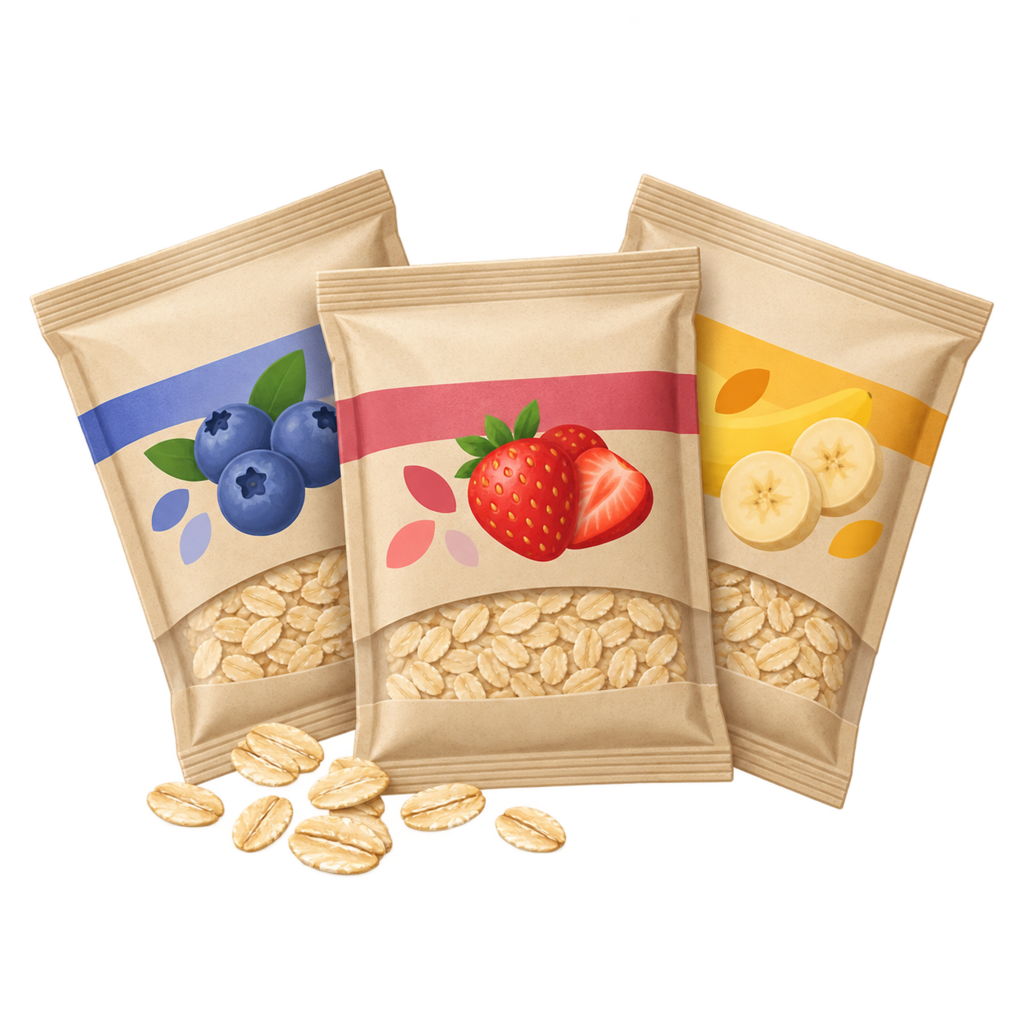
Oats: Flavored instant oatmeal.
Protein
There are more than 13 possible varieties in the protein category.
Meat, Fish, or Poultry
There are several animal-based varieties in the protein staple food category. Each animal is a separate variety, such as chicken, beef, pork, salmon, or turkey. Each animal is further divided into three varieties.
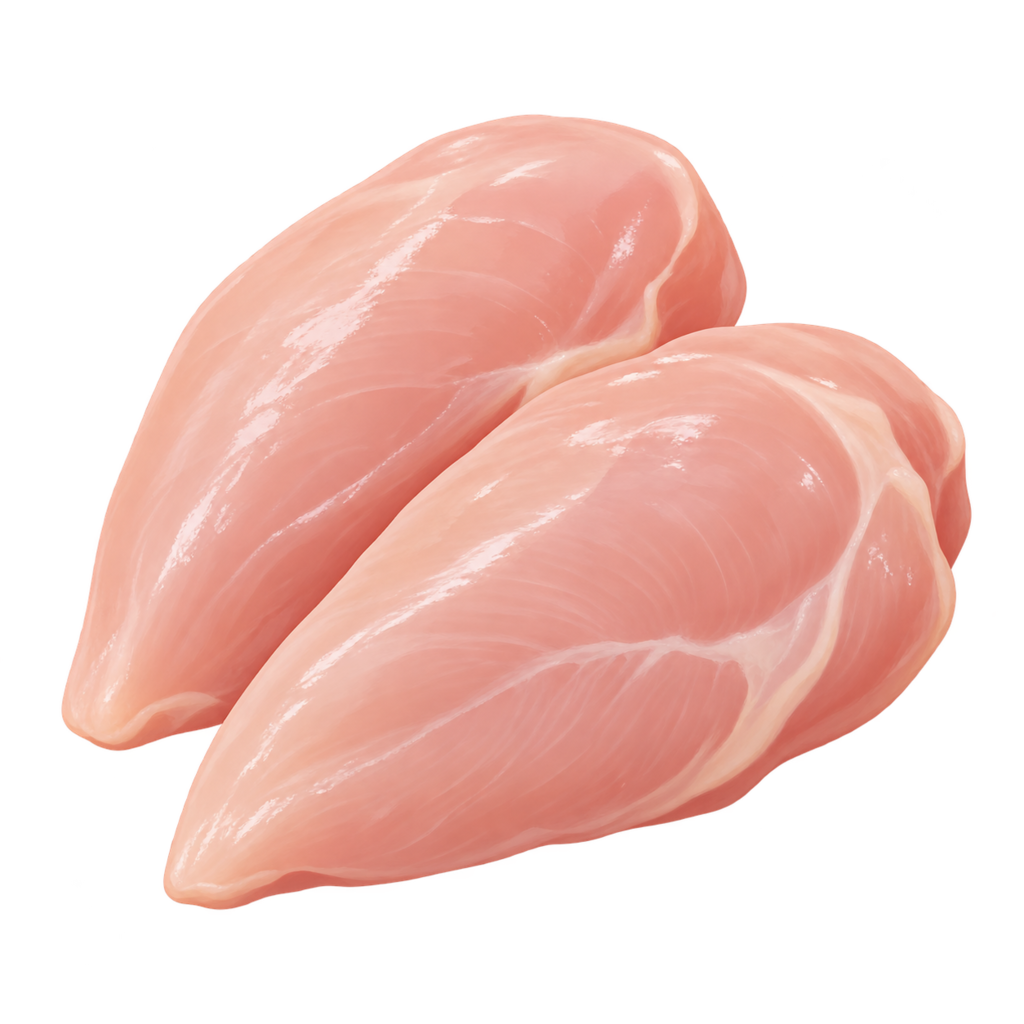
Perishable with no other ingredients. Examples include raw chicken breasts, whole raw chicken, and raw chicken wings.
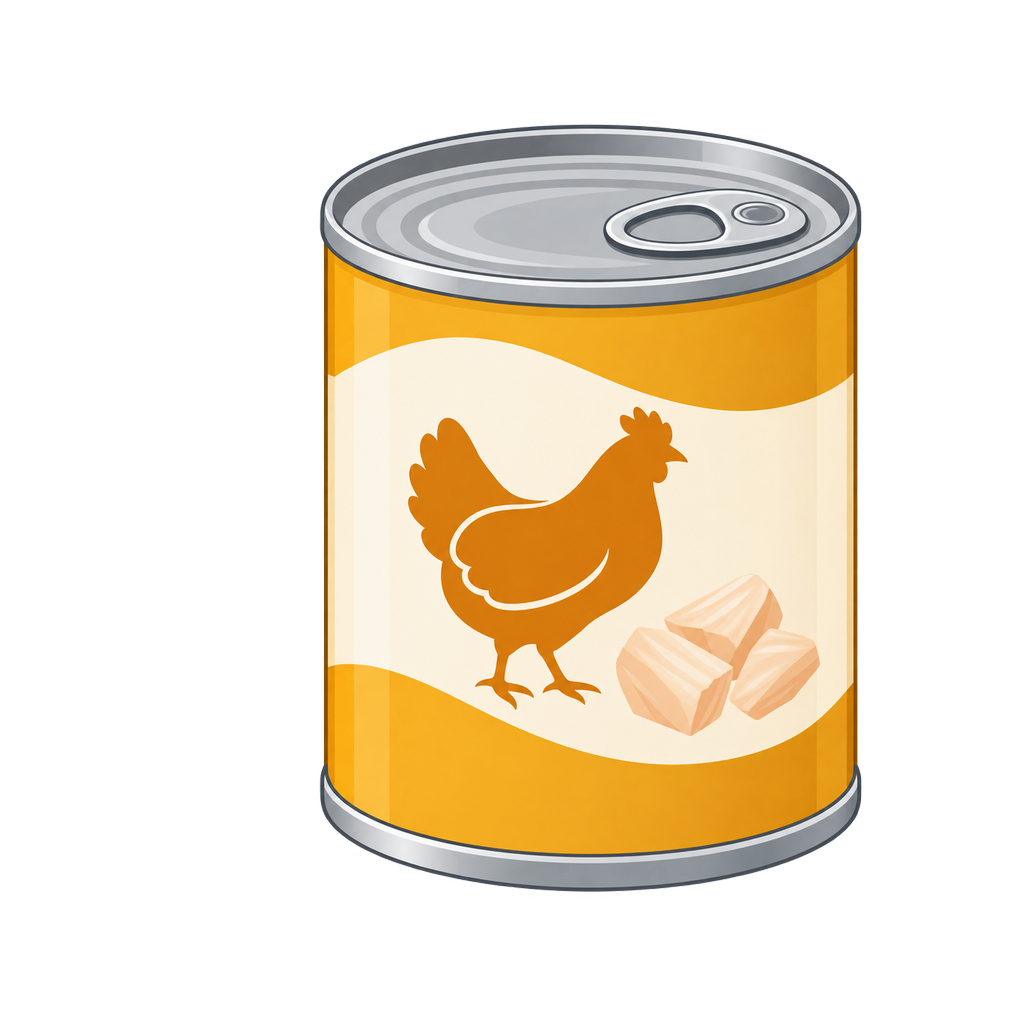
Shelf-stable animal-based meat, fish, or poultry: Examples include canned chicken soup or a ready-to-eat chicken pouch with or without other ingredients, as long as chicken is the main ingredient.
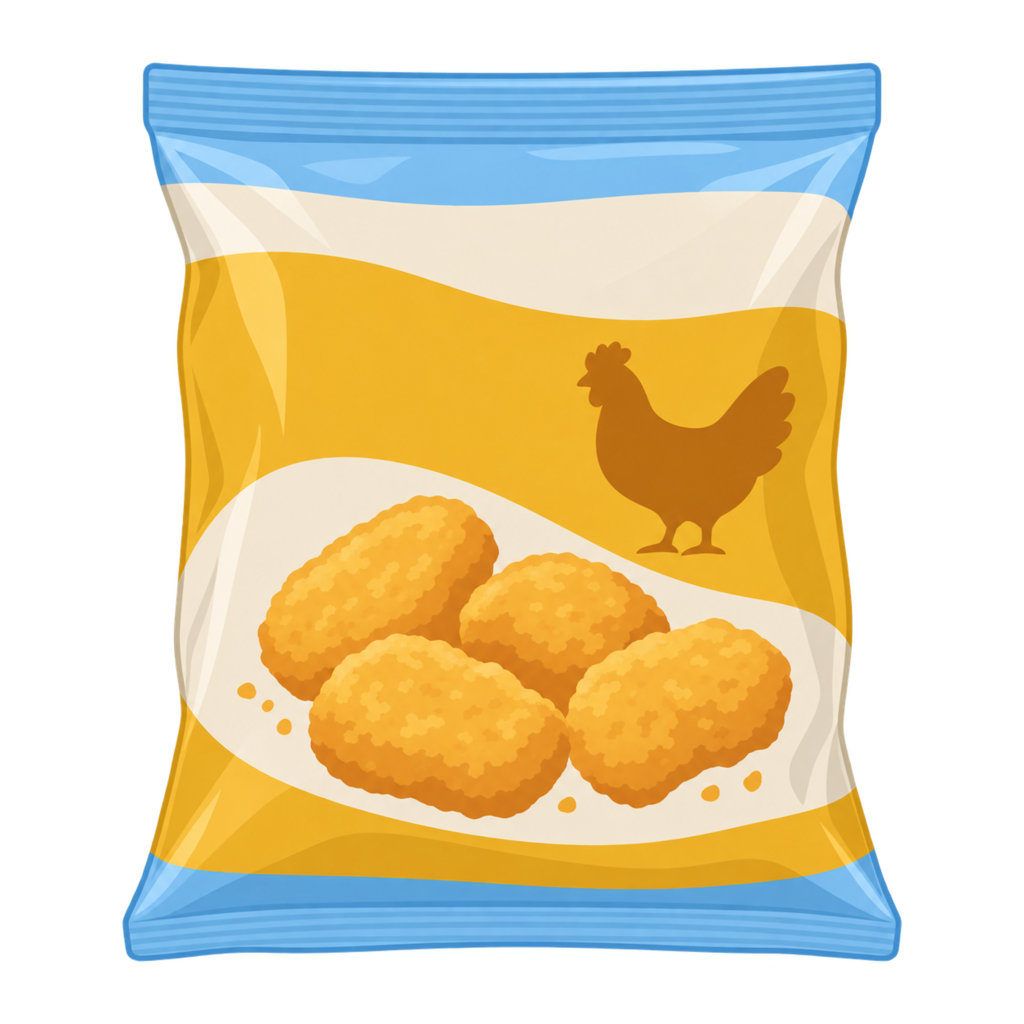
Perishable multi-ingredient (chicken): Examples include frozen or refrigerated chicken nuggets and seasoned uncooked chicken breasts with chicken as the main ingredient.
Eggs
Eggs can be up to two distinct varieties, regardless of animal type and whether the item is perishable.

Eggs with no other ingredients.

Multi-ingredient eggs. Examples include quiche and liquid eggs in a carton with eggs as the main ingredient.
Plant-based
There are also many plant-based varieties in the protein staple food category.
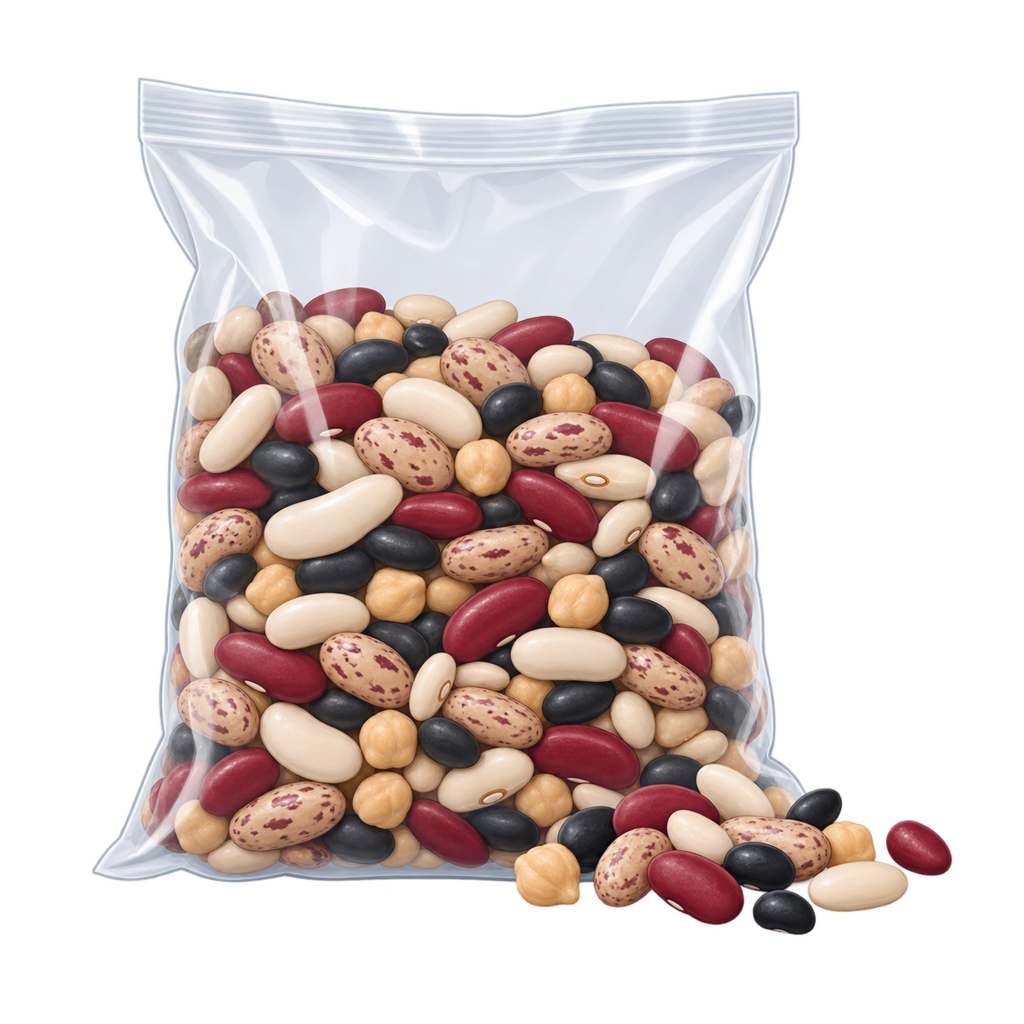
Dry beans.
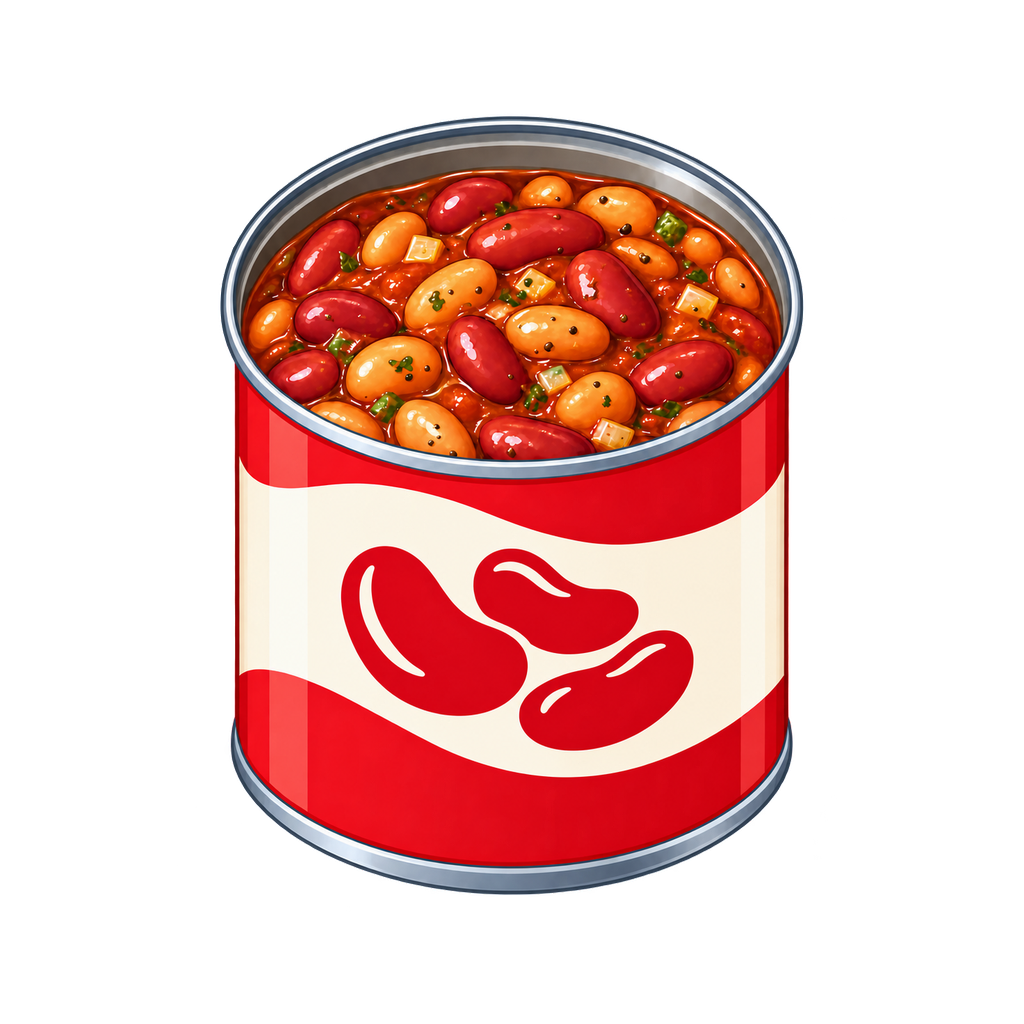
Multi-ingredient beans, such as canned black beans, cannellini bean soup, and frozen falafel, in which the main ingredient is beans.
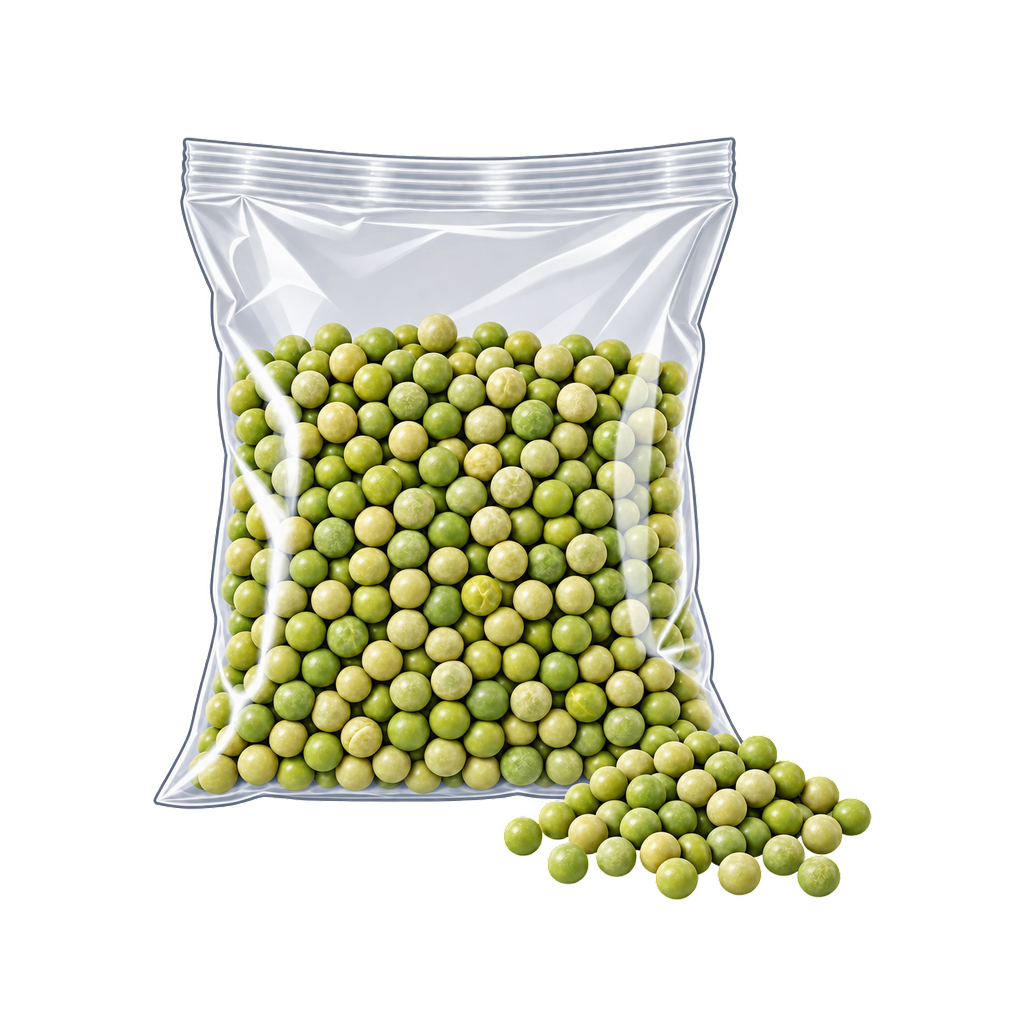
Dry peas.
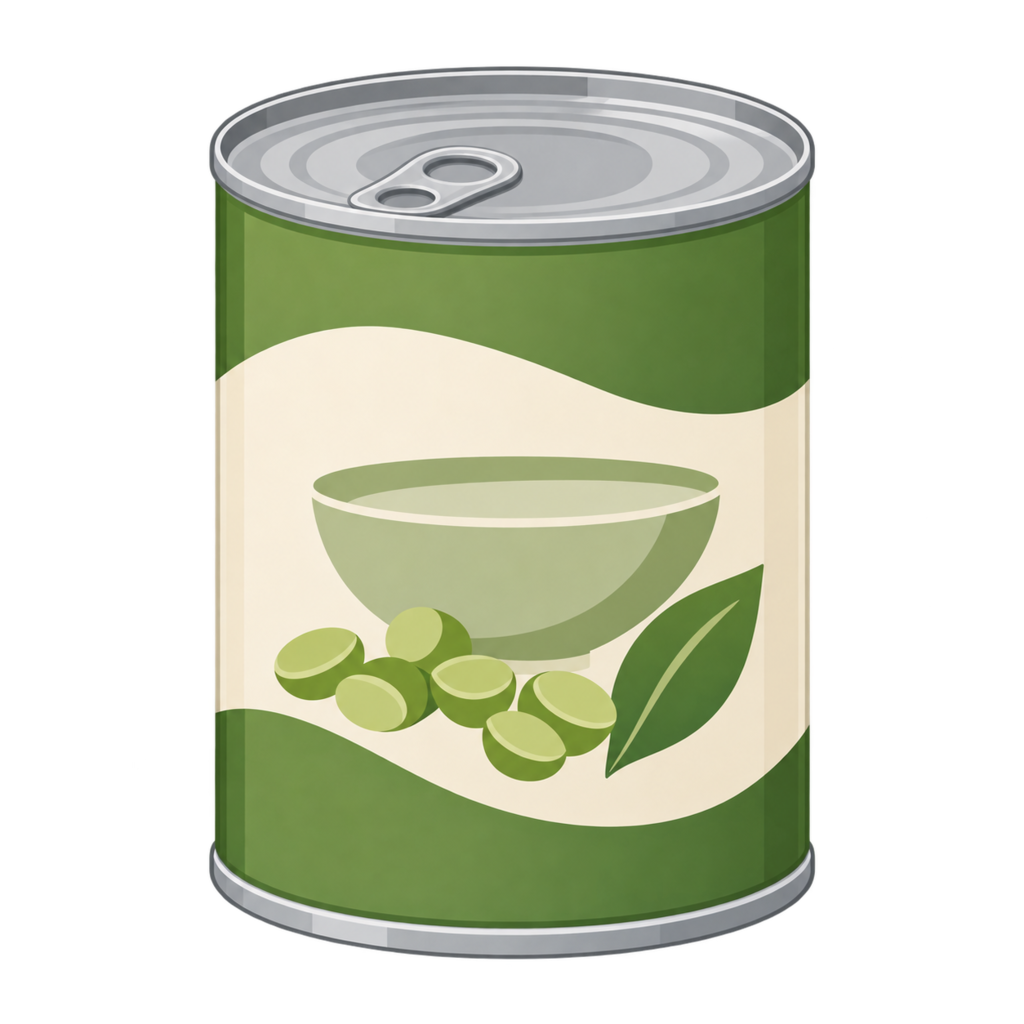
Multi-ingredient peas, such as split-pea soup, in which the main ingredient is peas.
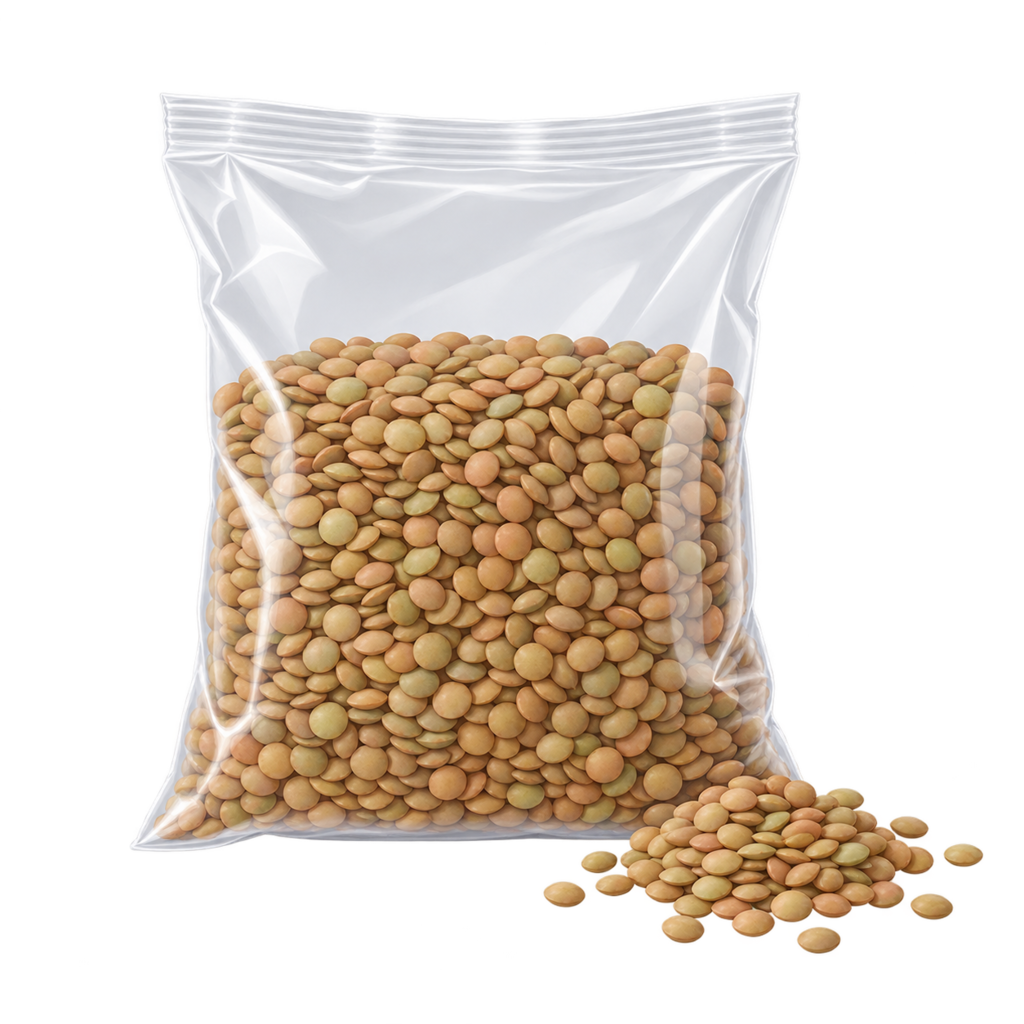
Dry lentils.
Multi-ingredient lentils, such as a pouch of ready-to-eat lentils, in which the main ingredient is lentils.
Tofu or tempeh.
Nuts and seeds, such as sunflower seeds, peanut butter, and roasted almonds.
Vegetables or Fruits
There are many possible varieties in the vegetables or fruits category. Each vegetable or fruit is a distinct variety. For example, apples, oranges, carrots, broccoli, and tomatoes each represent a distinct variety.
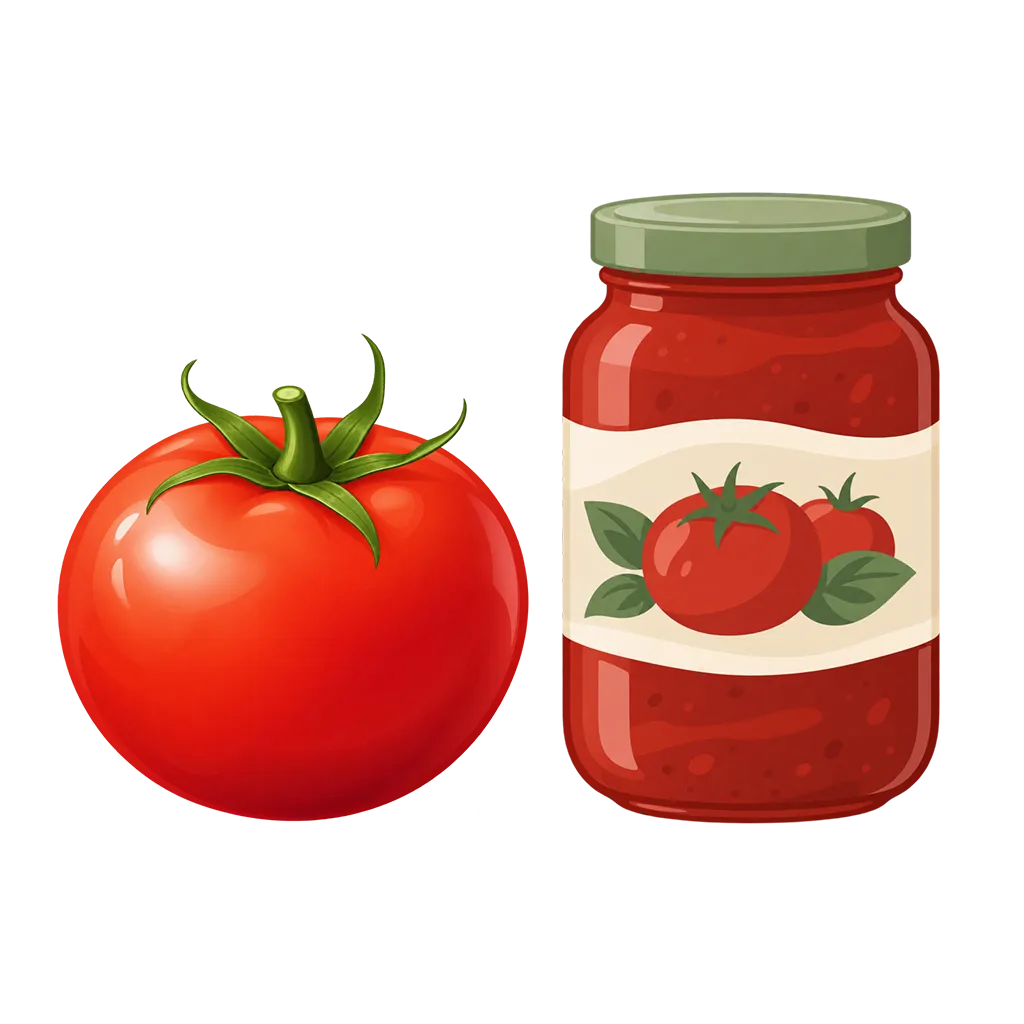
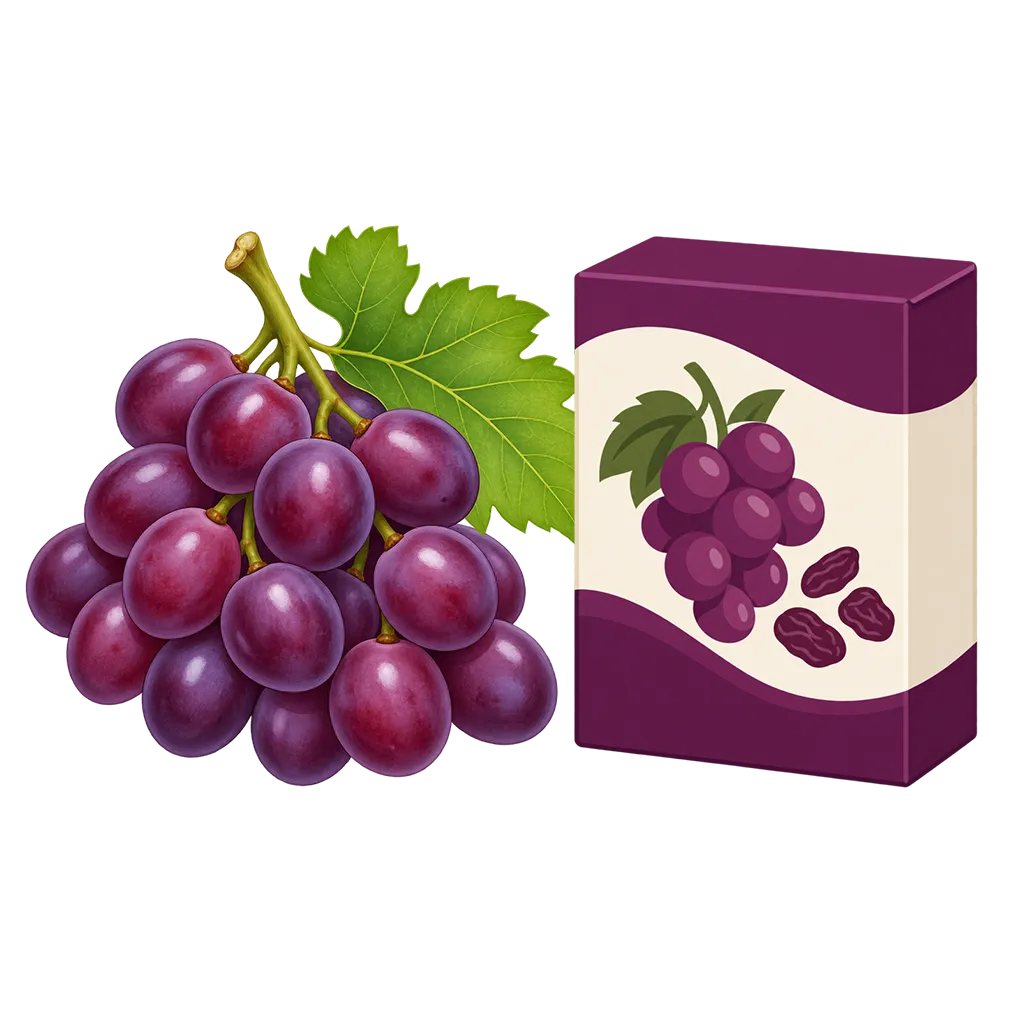
However, regardless of whether a vegetable or fruit is fresh, frozen, canned, dried, or juiced, each vegetable or fruit counts as the same variety. For example, fresh tomatoes, canned diced tomatoes, tomato paste, sun-dried tomatoes, and 100% tomato juice all count as one "tomato" variety.
Similarly, any multi-ingredient product with a vegetable or fruit as the main ingredient is the same variety as the single vegetable or fruit. For example, tomato basil pasta sauce counts as the same "tomato" variety as a fresh tomato.